
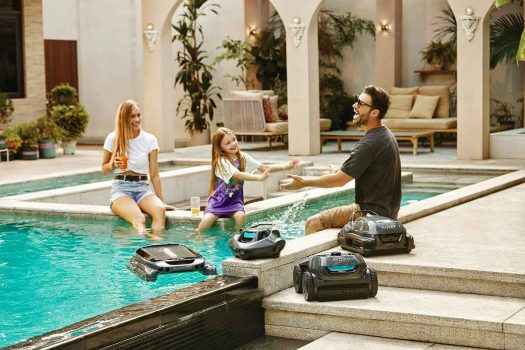
Are Robotic Pool Cleaners Worth It? Costs, Benefits and Tradeoffs
Robotic pool cleaners can remove a substantial amount of repetitive manual cleaning, but that does not mean every pool owner needs one. Their value depends on how much cleaning you currently do, the debris your pool collects and whether the machine can handle your pool’s geometry.
What You Are Actually Paying For
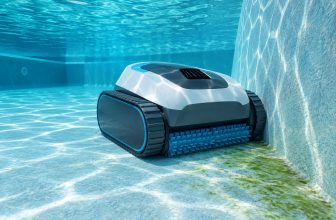
The main purchase is convenience: automated movement, scrubbing and onboard debris collection. A robot can reduce the time spent manually vacuuming the floor and, on capable models, brushing walls or the waterline.
That convenience is most valuable when the pool repeatedly collects debris or when manual cleaning is the task you most want to automate.

Energy and the Pool Circulation System
Robotic cleaners operate independently from the pool’s primary filtration system. ENERGY STAR cites a PG&E study in which a robotic cleaner used substantially less annual electricity than cleaners powered by a filter pump or booster pump. Review ENERGY STAR’s pool pump and cleaner guidance.
The exact economics for your pool depend on equipment, utility rates and cleaning frequency, so use those figures as context rather than a promise of a specific savings amount.
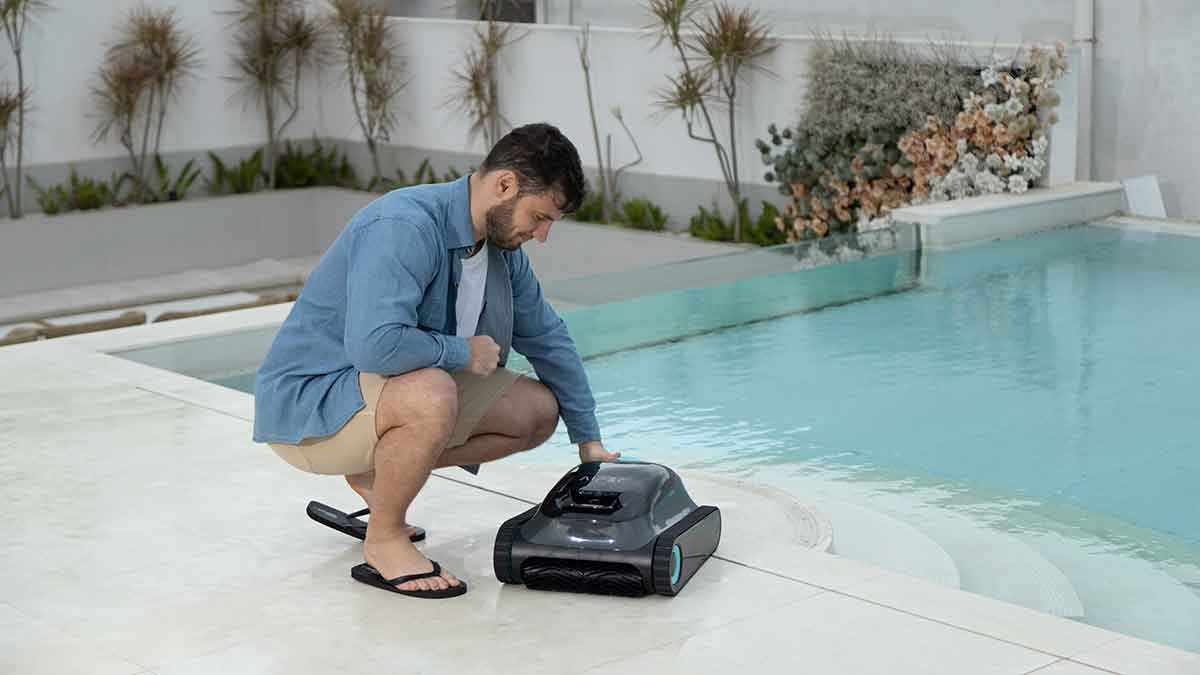
Where a Robot Adds the Most Value
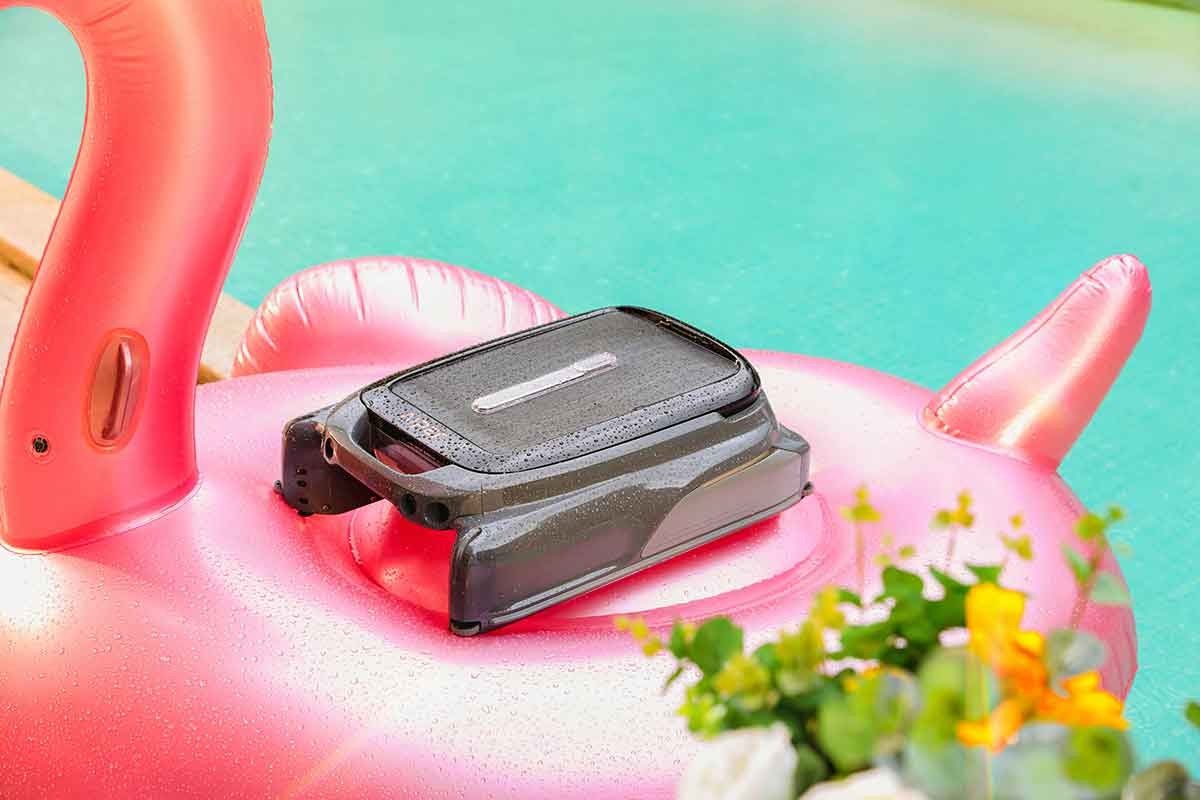
What a Robotic Cleaner Cannot Replace
A pool robot is not a complete pool-maintenance system. It does not replace circulation, primary filtration, sanitizer or balanced water chemistry. CDC recommends routine attention to disinfectant and pH in residential pools. CDC explains home pool water treatment and testing.
The Costs Beyond the Purchase Price
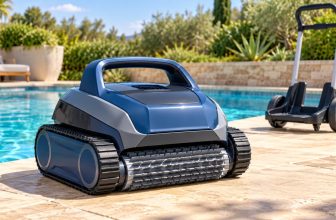
Filters need cleaning, brushes and tracks can wear, and batteries in cordless cleaners eventually age. Consider replacement-part availability and warranty support before treating the purchase price as the entire cost of ownership.
Browse robotic pool cleaners by price to see how features change across the current catalog.
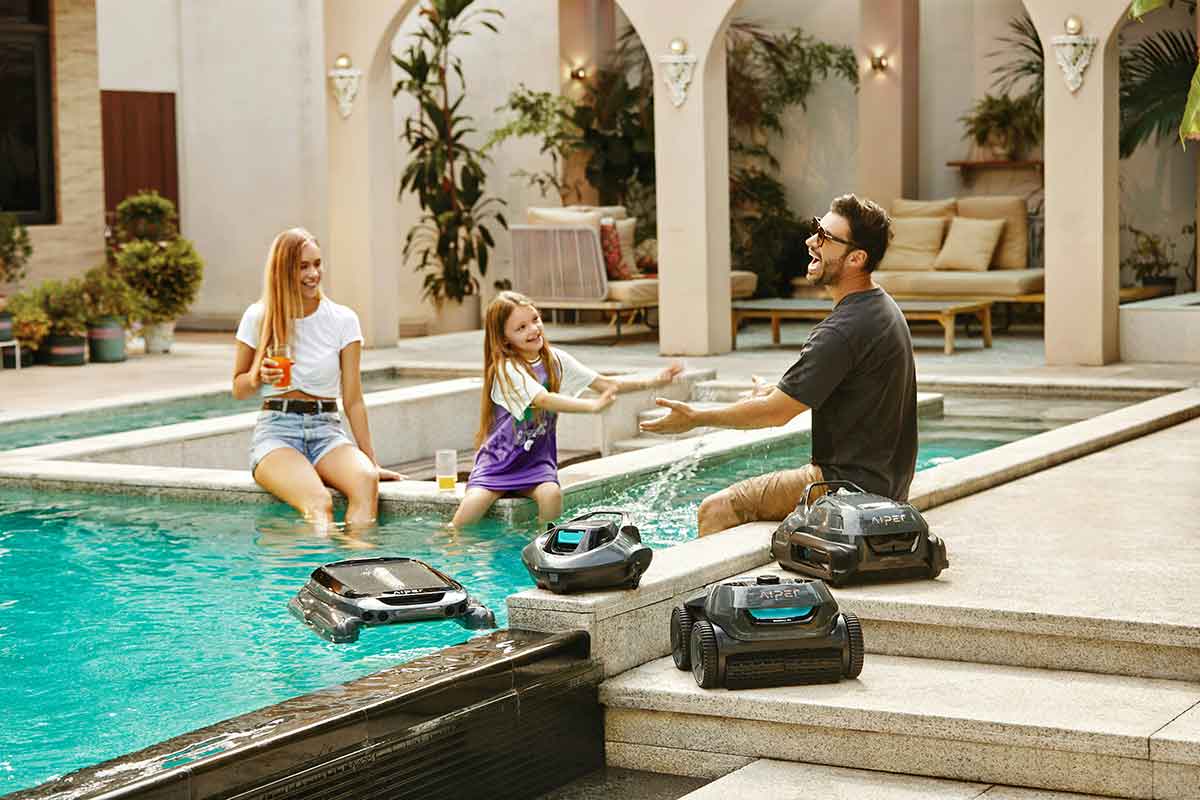
When Is a Robotic Pool Cleaner Worth It?
If you are ready to compare machines, start with our robotic pool cleaner buying guide rather than shopping on feature count alone.

Put a Value on the Time You Spend Cleaning
The easiest way to judge value is to look at the work the robot would replace. If you manually vacuum twice a week during leaf season, repeatedly brush walls, or spend time removing fine debris after wind events, automation has a clear job to perform. If your covered pool collects very little debris and already requires almost no manual vacuuming, the convenience may be less valuable.
This is why purchase price by itself cannot answer whether a robotic cleaner is worth it. The comparison is between the cost of the machine and the cleaning burden it can realistically remove.
The Value of Capturing Debris Before the Main Filter
A robotic cleaner traps collected material in its own basket or cartridge. ENERGY STAR describes robotic cleaners as low-voltage machines with built-in filters rather than cleaners powered by the pool pump or a booster pump. ENERGY STAR provides more context on pool equipment efficiency.
That architecture can be attractive when you want leaves and dirt removed directly from the pool without routing all of that captured debris through the primary filtration system. You still maintain the pool filter normally; the robot simply handles a separate stream of debris.
When a Robot May Not Be Worth the Money
A robot is a weaker value when the model does not match the pool, when the desired cleaning areas still require extensive manual work, or when the owner dislikes the charging, retrieval or filter-cleaning routine enough that the machine rarely gets used. An expensive robot sitting in storage provides no automation benefit.
It can also be unnecessary to pay premium prices for capabilities a simple pool does not need. A straightforward above-ground pool with light debris may not benefit from sophisticated mapping or waterline features designed for more demanding inground environments.
The Maintenance Reality
Robots reduce cleaning labor; they do not eliminate equipment maintenance. Filter baskets need to be emptied. Brushes and tracks wear. Cordless batteries age. Cables and power supplies on corded units need reasonable care. Before purchasing, look at the price and availability of common replacement components.
That does not make robotic cleaning a poor value. It simply means the useful comparison is total ownership against the amount of recurring work automated—not purchase price against an imaginary maintenance-free future.
Physical Cleaning and Water Care Are Different Jobs
Even an excellent robot cannot sanitize water. CDC identifies disinfectant concentration and pH as central to residential pool water treatment and recommends regular testing. CDC’s home pool treatment guidance explains those responsibilities.
Think of the robot as the automated physical-cleaning layer. Circulation, filtration, chemistry and swimmer safety remain part of pool ownership whether a robot is present or not.
Think in Cost Per Use, Not Just Sticker Price
A cleaner used three times a week for several swimming seasons has a very different value proposition from one that comes out of storage twice a month. You do not need a precise spreadsheet to think this way. Simply estimate how often you expect to use the machine and how much manual work each cycle replaces.
This perspective can also prevent overspending. If the robot’s main job is occasional floor cleanup in a small pool, an expensive suite of navigation and connectivity features may never produce enough additional value to justify the premium.
Robot Ownership vs. Doing the Work Yourself
For a do-it-yourself pool owner, the comparison is largely time and convenience. A robot can work while you handle another task, and the debris ends up in a basket rather than at the end of a manual vacuuming session. For an owner who already pays for professional pool service, the robot may still provide value between visits, particularly after storms or heavy debris events, but it does not automatically replace professional maintenance.
The value is therefore personal without being mysterious: identify the work that will disappear from your routine and decide whether that is worth the equipment cost and upkeep.
Your Backyard Can Decide Whether a Robot Is Worth It
Trees, wind, landscaping, dust and pool covers dramatically affect debris load. A pool surrounded by deciduous trees can create an entirely different cleaning demand from a screened pool in the same neighborhood. The more predictable the recurring debris problem, the easier it is to judge whether automated cleaning will earn its keep.
EPA WaterSense notes that pool covers can reduce cleaning requirements while also limiting evaporation. EPA’s pool water-efficiency guidance is useful context when thinking about the pool as a complete maintenance system rather than evaluating the robot in isolation.
When Upgrading to a Better Robot Makes Sense
If you already own a basic robot, upgrading makes the most sense when you can identify a specific limitation. Perhaps the existing unit does not climb walls, its filter is too small for the yard’s leaf load, the cable is the reason you rarely use it, or navigation leaves large areas untouched. A new feature has measurable value when it fixes one of those recurring frustrations.
Upgrading simply because a newer model has an app or a longer specification list is harder to justify. Define the deficiency first; then shop for the capability that solves it.
A Simple Worth-It Checklist
Once those answers point toward a robot, use the buying guide to choose the correct type rather than treating the category as interchangeable.
Robots Are Worth More When Expectations Are Realistic
Owners are most likely to be disappointed when they expect a robot to eliminate every form of pool maintenance. Even a premium machine may not clean every step or shallow ledge, and it cannot correct water chemistry. What it can do is repeatedly automate a defined physical-cleaning job.
That distinction improves the value calculation. If the robot reliably removes the floor debris you currently vacuum by hand and scrubs walls you otherwise brush, it can be worthwhile even though you still skim the surface, test water and maintain equipment.
Convenience Is a Real Benefit, but Measure It
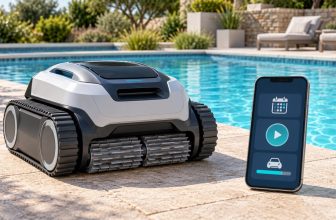
Convenience is sometimes dismissed because it is difficult to express in specifications, yet it is often the main reason people buy automation. The ability to place a cleaner in the pool and work on something else has value. So does avoiding the setup of manual vacuuming equipment after a storm.
But convenience only exists when the machine itself is convenient enough to use. A robot that is too heavy, difficult to retrieve, slow to recharge or unpleasant to clean may remain in storage. Evaluate the entire routine, not just what happens while the robot is underwater.
Buying the Right Capability Protects the Value
Overspending and underbuying can both make a robot feel less worthwhile. Underbuying leaves important cleaning work undone. Overspending can mean paying hundreds of dollars for capabilities that never improve your pool. Define the minimum useful feature set first and then compare products within it.
That is why the next step after deciding a robot is worth considering should be compatibility research, not immediately choosing the highest-rated product. Our robotic pool cleaner buying guide is designed for that stage.
Frequently Asked Questions
Do robotic pool cleaners save time?
They can automate floor cleaning and, depending on the model, walls and waterline cleaning that would otherwise require manual work.
Are robotic pool cleaners expensive to run?
They use their own electric power rather than depending on the pool pump for propulsion and debris collection. Actual operating cost depends on the cleaner and local electricity rates.
Do I still need to brush and test my pool?
A robot does not replace water testing, sanitation or all manual maintenance.
How long does a robotic pool cleaner last?
Service life varies by model, use, storage and maintenance. Parts and battery availability are important ownership considerations.