
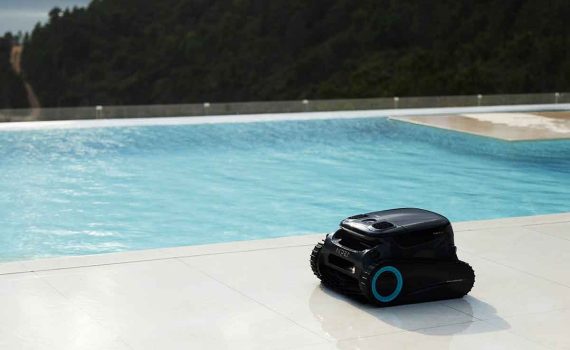
Robotic Pool Cleaner vs. Suction Pool Cleaner: What’s the Difference?
Robotic and suction pool cleaners can both automate debris removal, but they accomplish the job in fundamentally different ways. One is a self-contained electric cleaning machine; the other uses suction from the pool’s circulation system.
The Core Difference
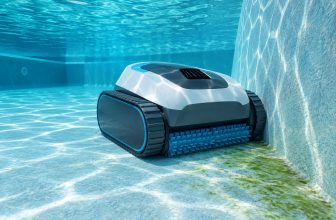
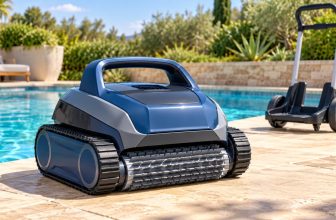
A robotic cleaner has its own motors and onboard debris filtration. A suction cleaner connects to the pool’s suction plumbing and uses water flow from the circulation system to move and collect debris.
That distinction affects energy use, filter loading, cleaning behavior and what equipment must run while the cleaner operates.

Power and Filtration
ENERGY STAR notes that robotic cleaners use low-voltage electricity and built-in filters, while pump-powered cleaning places cleaning demand on pool pumping equipment. See ENERGY STAR’s pool pump guidance.
Because a robot retains debris onboard, it can also keep a portion of that material out of the pool’s primary filter.
Cleaning Coverage
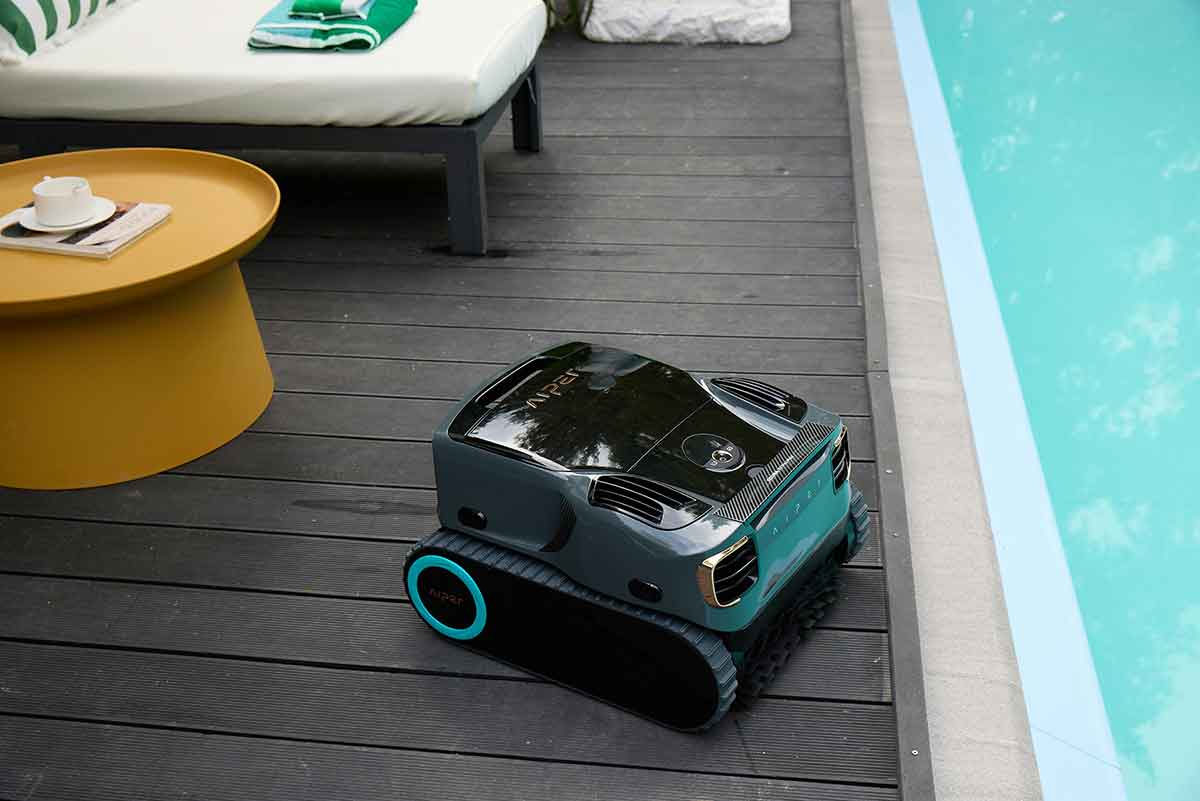
Capabilities vary widely within both categories. Robotic cleaners may add active brushes, wall climbing, waterline cleaning and mapped routes. Suction cleaners range from simple floor-focused designs to more capable units. Compare actual cleaning zones rather than assuming one category always covers more.
Robotic vs. Suction Cleaner Comparison
| Feature | Robotic | Suction |
|---|---|---|
| Primary power | Onboard electric system | Pool circulation suction |
| Debris filter | Inside cleaner | Pool system / inline arrangements vary |
| Active scrubbing | Common on many models | Model-dependent |
| Setup | Place robot in pool and power/charge it | Connect to suction system |
| Smart features | Available on many premium models | Generally less central to category |
Maintenance and Ownership
A robot requires its internal filter to be emptied and its brushes, tracks or battery maintained as applicable. A suction cleaner introduces hoses and relies more directly on the condition and configuration of the pool circulation system.
Neither eliminates ordinary pool maintenance. EPA WaterSense notes that targeted maintenance and efficient equipment choices can reduce water and energy use. See EPA pool water-efficiency guidance.
Which Type Fits Your Pool?
Choose based on the system you want to operate and the cleaning job you need performed. If independent filtration, active scrubbing or advanced automation are priorities, compare robotic pool cleaners. If your priority is a cleaner integrated with the existing suction system, compare compatible suction designs and your pool’s hydraulic requirements.
Why the Pool’s Hydraulic System Matters to a Suction Cleaner
A suction-side cleaner becomes part of the pool’s hydraulic system while it operates. Its movement and debris collection depend on water being pulled through the suction side of the circulation system. Setup and performance therefore depend more directly on pool plumbing, flow and the way the cleaner is connected.
A robotic cleaner separates the cleaning machine from that hydraulic relationship. It uses its own motors and filter, which is why the robot can operate without using suction from the pool pump to propel itself.
Follow the Debris Path
One of the clearest ways to understand the categories is to ask where the dirt goes. A robot carries its captured debris onboard until you remove and clean its basket or cartridge. A suction cleaner sends material through the suction-cleaning arrangement toward the pool’s filtration system, although exact configurations and accessories vary.
For pools with a heavy leaf load, debris handling can be a major ownership consideration. Compare not only what the cleaner can pick up but also where that material accumulates and how often you will need to empty or service the relevant collection point.
Vacuuming vs. Active Scrubbing
Many robotic cleaners combine vacuuming with powered brushes. That can help loosen material attached to the floor or walls before it is captured. Suction cleaners vary in design, and the category should not be reduced to a single mechanical description, but active electronic scrubbing is a common differentiator when shoppers move toward robots.
If attached dirt or wall buildup is the problem you are trying to solve, examine the actual brush system and cleaning zones rather than relying on the generic word “automatic.”
Which System Feels Simpler Depends on the Owner
A suction cleaner avoids onboard batteries and electronics but involves hoses and the pool suction system. A robot is more self-contained but introduces its own filter and, depending on design, a cable/power supply or rechargeable battery. Neither ownership model is maintenance-free.
Some owners prefer the mechanical simplicity of a suction cleaner. Others value keeping cleaning debris in a self-contained robot and having access to features such as programmed cycles, active brushing, mapping or app control.
Put Energy Claims in Context
ENERGY STAR distinguishes robotic cleaners from cleaners powered through a pool pump or booster pump, noting that robots use low-voltage electricity and built-in filtration. ENERGY STAR’s pool-pump page provides that context.
Actual operating cost depends on the equipment installed, run times and local electricity rates. Use architecture and efficiency information to understand the systems rather than assuming a universal dollar savings for every pool.
Setup Is Different Before Either Cleaner Moves
A robotic cleaner is generally prepared as its own piece of equipment: clean filter installed, cable and power supply positioned for a corded unit or battery charged for a cordless unit, then the robot is placed into the pool according to its instructions. A suction cleaner must be connected into the pool’s suction-cleaning arrangement, typically involving hose management and appropriate system flow.
That difference matters to owners who remove the cleaner frequently. The simpler workflow is the one you are actually willing to perform consistently.
Think About Filter Load and Debris Volume
Because a robot captures debris internally, its basket becomes the place you empty after a cycle. With suction cleaning, debris handling is tied more closely to the pool filtration arrangement and any inline collection accessories being used. Heavy leaves can make this distinction especially noticeable.
EPA WaterSense recommends regular vacuuming and skimming to reduce the load on pool filtration systems. EPA’s pool-maintenance guidance provides broader context for managing debris and filter cleaning efficiently.
Robots Generally Offer More Electronic Automation
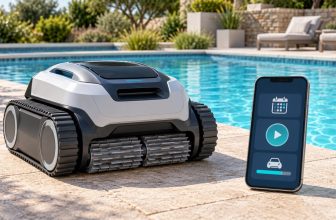
Electronic controls are fundamental to robotic cleaners, which is why the category has become a natural home for programmable cycles, sensor-based navigation, apps, mapping and other digital features. Those capabilities vary enormously by price and model, but the architecture makes them possible without depending on the pool’s suction system for movement.
Suction cleaners can be highly effective automatic cleaners without needing that electronic complexity. If your goal is straightforward debris pickup and your pool system is well suited to suction cleaning, fewer electronic features may be a benefit rather than a limitation.
Different Designs Mean Different Things to Maintain
A suction cleaner can involve hoses, moving mechanical components and parts exposed to continuous water flow. A robot adds electric drive components, onboard filters and, depending on design, a cable and power supply or battery. Both categories contain wear parts.
Before choosing, look beyond the cleaner’s new-product price. Consider the parts you are likely to replace, how easily they can be obtained and whether you are comfortable performing routine service yourself.
A Simple Decision Scenario
If you have a pool with an existing suction-cleaner setup, modest debris and no strong need for wall scrubbing or smart features, a compatible suction cleaner may fit the job with relatively little reason to change architectures. If you want independent debris filtration, active brushing, programmable cleaning zones or sophisticated navigation, a robot becomes more compelling.
Neither answer requires declaring one technology universally superior. The cleaner should fit both the pool and the ownership routine.
Which Owner Tends to Prefer Each Design?
A pool owner who wants a self-contained cleaner, onboard debris collection and access to electronic automation may naturally gravitate toward a robot. Someone with a straightforward pool, an established suction-cleaner connection and a preference for a mechanically simpler cleaning system may find a suction cleaner entirely appropriate.
Neither preference is inherently more sophisticated. It reflects which equipment relationship the owner wants to maintain: an independent electric cleaner or a cleaner integrated into the pool’s suction system.
Think About the Day After a Storm
Heavy debris events are useful thought experiments. With a robot, you will be emptying the robot’s basket as it fills. With suction cleaning, you need to think about the debris path through the suction setup and collection arrangement. In either case, very heavy debris may require preliminary manual removal to avoid overwhelming cleaning equipment.
This scenario exposes practical differences that are easy to miss on a specification sheet. Capacity, hose management, filter loading and ease of emptying can matter more than headline cleaning speed.
When Does Moving From Suction to Robotic Make Sense?
The strongest reason to change is a specific unmet need. You may want active wall scrubbing, onboard debris filtration, a cleaning cycle independent of pool-pump suction, or navigation and control features unavailable in the existing setup. Those are concrete reasons to compare robots.
If the suction cleaner already keeps the pool clean with little intervention and you do not need additional capability, replacing it solely because robotic technology is newer may not provide enough practical benefit. Upgrade to solve a problem.
Frequently Asked Questions
Is a robotic pool cleaner better than a suction cleaner?
They use different architectures. Compare the cleaning coverage, pool system, maintenance and convenience you need rather than treating either category as universally superior.
Does a robotic cleaner use the pool pump?
No. Robotic cleaners use their own power and onboard filtration.
Does a suction cleaner put debris in the pool filter?
Suction cleaners rely on the pool’s suction system; exact debris handling can vary with the installation and accessories.
Which cleaner has more smart features?
App control, mapping and other electronic features are more commonly associated with robotic cleaners.