
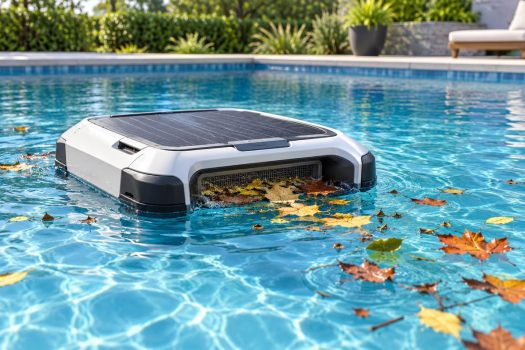
A robotic pool skimmer works on the surface, where fresh leaves, insects and other floating debris collect. It solves a different job from a robot vacuum moving along the floor. The best skimmer for your pool depends on sunlight, obstacles, basket access and what happens during cloudy weather.
Compare Betta SE Plus for its dual charging and shallow-water safeguards, Aiper Surfer S2 for its documented surface-cleaning features, and the exact Beatbot iSkim model for its controls and basket setup. Keep iSkim and iSkim Ultra generations separate. Solar operation is conditional on the charging environment.
Research checked October 5, 2026. This is a specification-led buying guide, not a hands-on test ranking. Prices, stock and model generations can change.
Affiliate disclosure: We may earn a commission from qualifying purchases made through links on this site.
Compare the shortlist
Use these candidates to narrow the job and ownership routine. The notes below explain the tradeoffs; listing presence is not a guarantee of current Amazon availability.
| Candidate | Reason to investigate | What to confirm |
|---|---|---|
| Betta SE Plus | Surface-skimming candidate | Follow shallow-water and simultaneous-use instructions |
| Aiper Surfer S2 / EcoSurfer S2 | Surface-skimming candidate | Verify regional name, charging and exact version |
| Beatbot iSkim | Surface-skimming candidate | Do not transfer Ultra specifications to base iSkim |
| Existing floor robot | Settled debris partner | Check operating restrictions before using devices together |
Skimming prevents a different problem
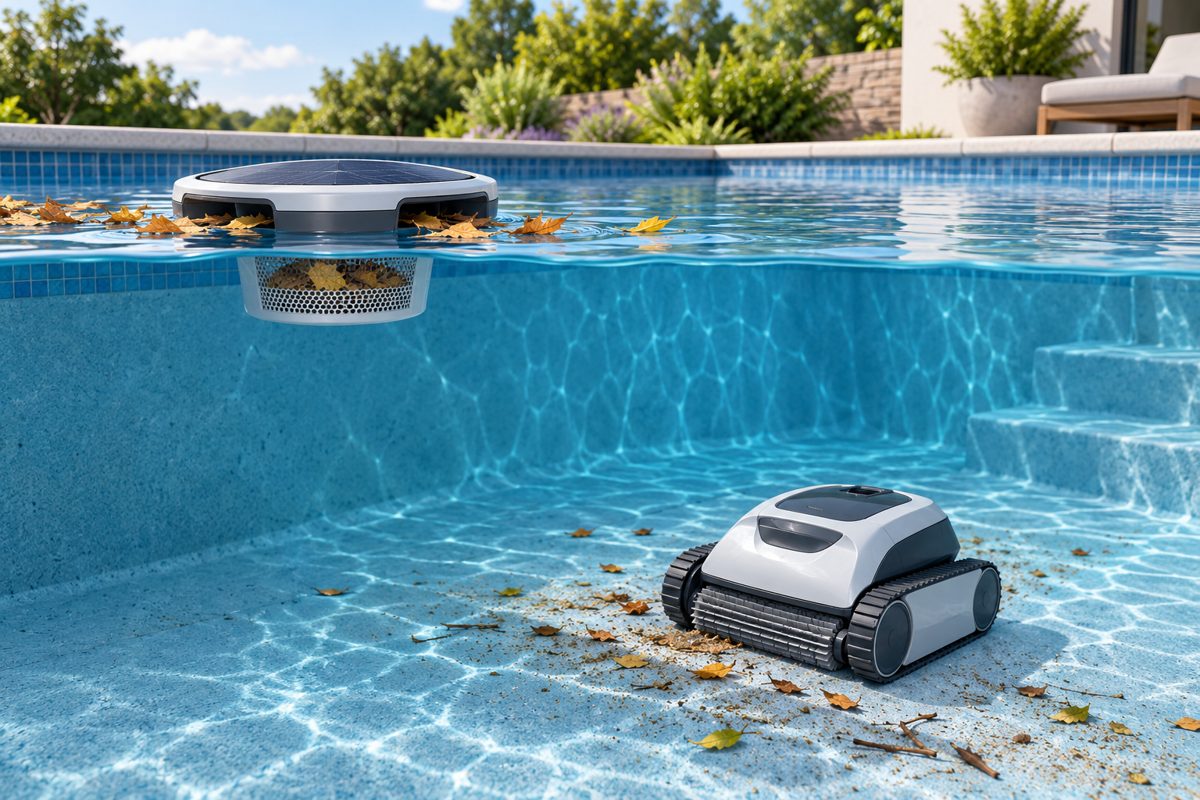
Fresh leaves often float before becoming waterlogged and sinking. A skimmer can collect them during that stage, reducing some of the floor load later. It does not vacuum sand from the bottom or brush the waterline simply because it travels near the pool edge.
Observe when debris arrives. A shaded tree canopy dropping leaves through the day is a different challenge from a covered pool with occasional settled debris. If your main problem is already on the floor, a surface skimmer may be the wrong first purchase. Match the device to where the debris actually is.
Solar charging depends on the yard
Map the sunny and shaded portions of the pool over the day. Shade, cloud cover and shorter winter days can affect charging. A claim of continuous operation should be read with the manufacturer's charging conditions rather than as an unconditional guarantee.
Betta SE Plus provides solar and adapter charging options, which makes its cloudy-weather routine worth considering. Aiper and Beatbot versions have their own charging instructions. Verify the exact package and supported charger; do not assume a similarly named model has the same backup charging route.
Shallow water and obstacles can decide suitability
Check steps, ledges, ladder rails, pool covers and other features that can trap a floating device. Betta's documentation describes anti-stranding bars and shallow-water safeguards. Those features should be configured according to the manual, not assumed to eliminate every obstacle.
Record the depth above shallow structures and compare the exact model's requirements. Watch the first run and note repeated trapping points. An app or a large battery does not establish that a skimmer can escape a specific arrangement of ladders and benches. Evaluate your pool during the return period.
Read the two-device rules
A surface skimmer and a floor robot can complement each other as part of a cleaning routine. That does not establish that they may run at the same time. Betta SE Plus instructions warn against operation with other pool-cleaning devices in the pool. Check every device's manual and alternate where required.
Compare basket emptying, filters, charging, storage and support before choosing a bundle. A cleaner-plus-skimmer title describes two sets of duties and two devices to maintain. Also distinguish Beatbot iSkim from iSkim Ultra: a basket-size or feature claim for one should not be assigned to the other without model-specific documentation.
For a sunny pool with continual floating leaves, a supported solar skimmer can be useful. For a shaded pool, backup charging can become a deciding feature. For a pool whose debris mostly settles overnight under a cover, a floor cleaner may deserve priority.
Choose your next step
Open the route that matches your situation. Then use the checklist before ordering.
I am choosing my first cleaner
Start with the buying guide to match cleaning zones, pool geometry and your maintenance routine. Use this article’s shortlist only after those requirements are clear.
I already own a cleaner but one chore remains
Identify the missed zone or debris type. Check compatible filters and the manual before replacing the entire cleaner. For a replacement decision, compare repair and replacement costs.
I have narrowed it to two models
Compare exact product numbers, included equipment and seller support. Browse current cleaner options and confirm the final offer before purchase.
This checklist is for your current reading session; selections are not saved or transmitted.
Common questions
Does a skimmer replace a pool vacuum?
No. It collects supported floating debris; a floor cleaner addresses settled debris and other specified zones.
Will solar skimmers run continuously in shade?
Do not assume so. Performance depends on the exact model's battery and charging conditions.
Can I run a skimmer with my floor robot?
Only if both manuals permit it. Some manufacturers explicitly prohibit use with other cleaning devices in the water.
Related guides and shopping paths
Maintain water chemistry alongside debris removal. CDC pool-care guidance
Sources and how to use this guide
Recommendations reflect documented suitability and ownership tradeoffs. Manufacturer claims are identified as specifications, not independently measured outcomes. Verify the exact model’s manual, package, price and seller terms before purchase.