
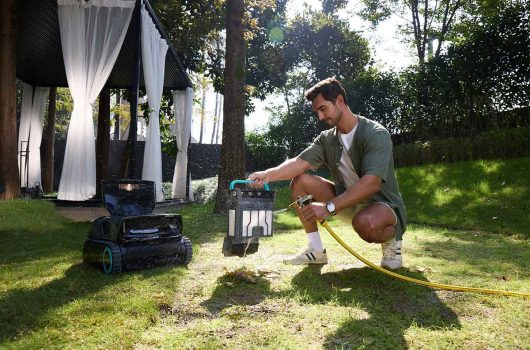
How Do Robotic Pool Cleaners Work?
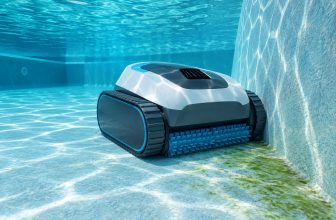
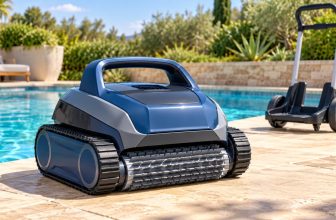
A robotic pool cleaner is a self-contained cleaning machine designed to move through a swimming pool, scrub surfaces and capture debris in its own filtration system. Understanding the basic components makes product specifications much easier to interpret.
A Self-Contained Pool Cleaning System
Unlike suction-side cleaners that depend on the pool circulation system, a robotic cleaner carries its own drive system and debris filter. ENERGY STAR describes robotic cleaners as using low-voltage electricity and built-in filters rather than the pool pump or booster pump. ENERGY STAR explains the distinction.
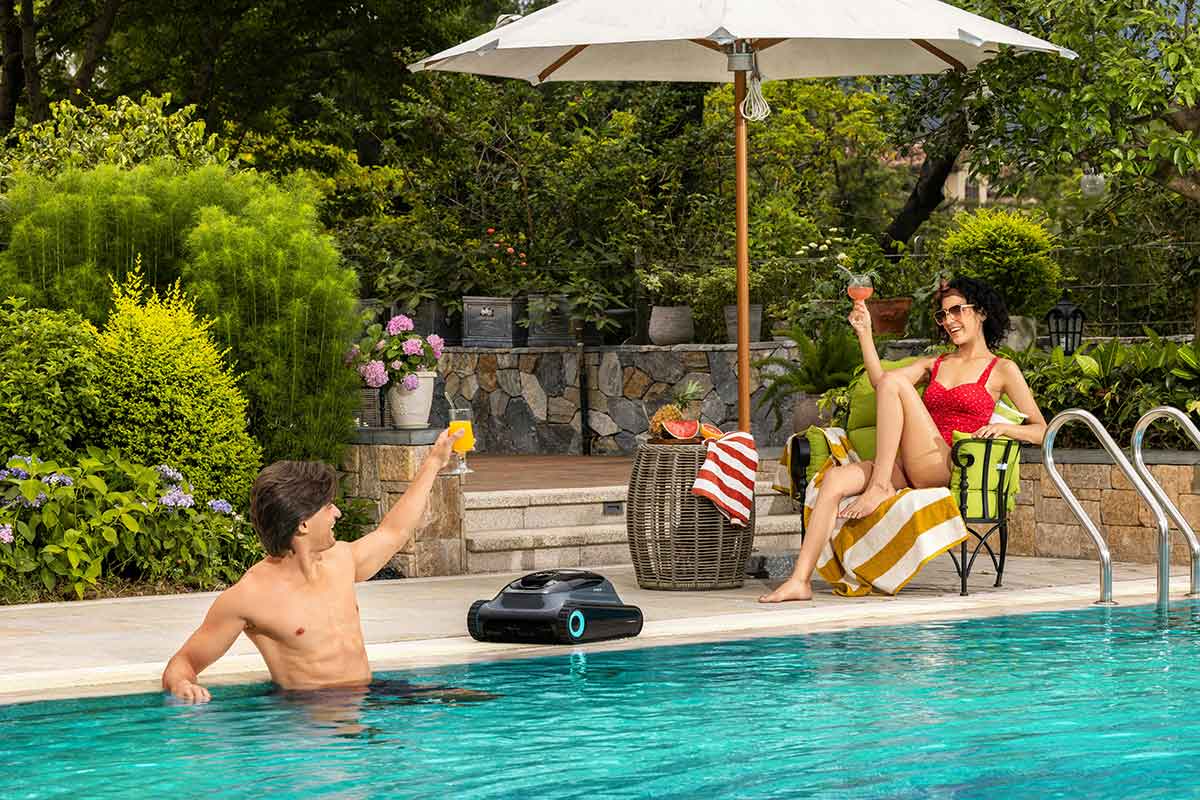
How a Pool Robot Moves
Motors drive wheels or tracks while software determines direction and cycle behavior. Some machines follow programmed patterns; others add gyroscopes, sensors, mapping or vision systems. Traction and buoyancy management become especially important when the robot transitions from floor to wall.
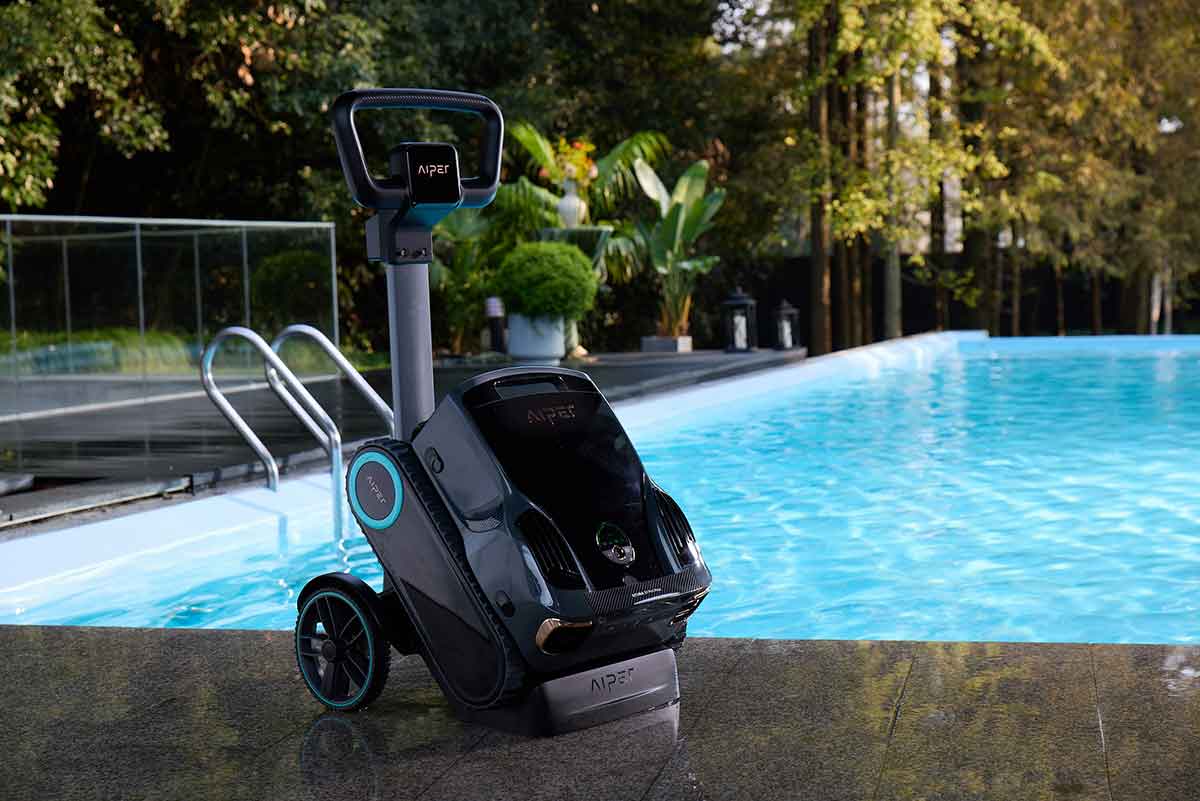
How Scrubbing and Vacuuming Work
Brushes loosen material from the pool surface while water flow carries debris into the cleaner. The exact mechanical arrangement varies, but the practical buying questions are consistent: what surfaces are scrubbed, what debris can be captured and how easy is the filter to clean?
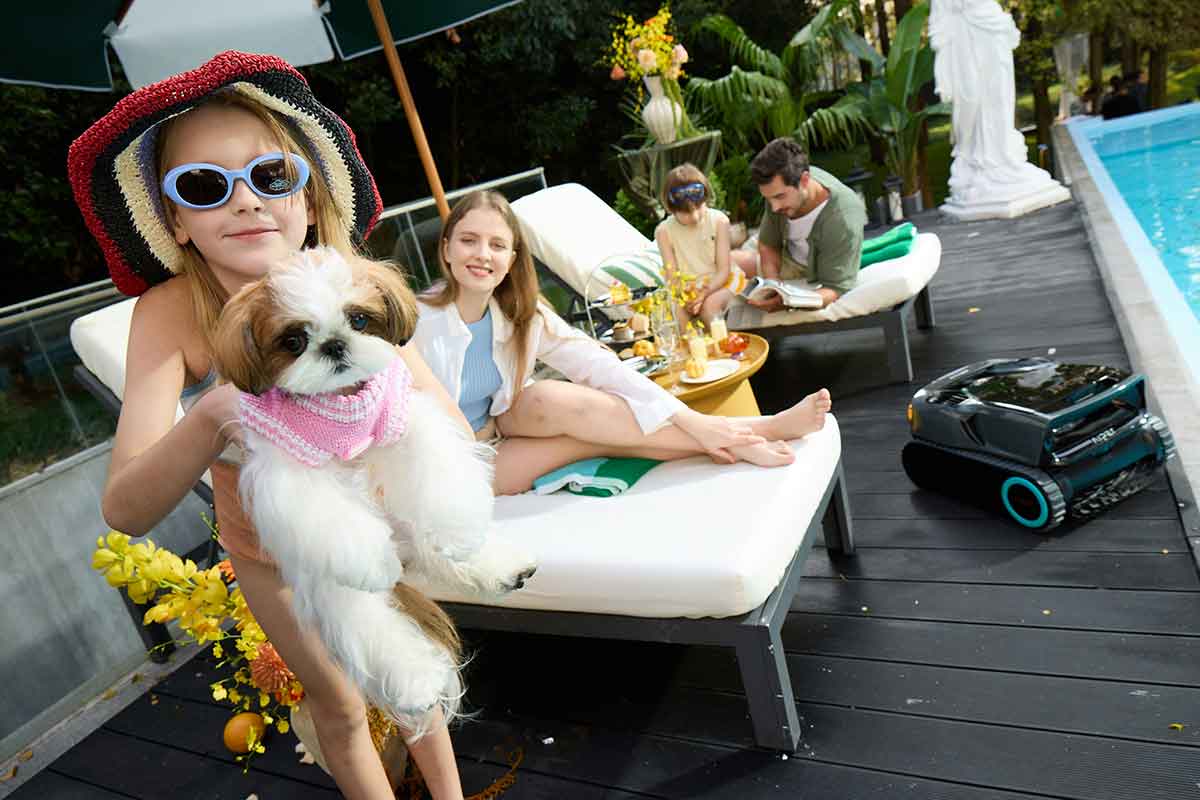
Where the Dirt Goes
Debris is retained inside a basket, cartridge or filter assembly in the robot. Large debris capacity is useful for leaves; finer media can improve capture of dust and smaller particles. The filter must be emptied and rinsed as part of normal ownership.
How Robotic Pool Cleaners Navigate
Navigation can range from simple directional logic to sensor-assisted route planning and pool mapping. Marketing terms such as “AI” do not by themselves describe performance. Look for what the system changes in practice: coverage, obstacle handling, targeted cleaning or fewer repeated passes.
How Robots Climb Walls and Clean the Waterline
Wall-capable machines rely on traction, water flow and control logic to remain against vertical surfaces. Waterline cleaning adds another challenge because the robot must reach the upper perimeter and, on some models, move laterally along it. This is why wall climbing should not automatically be treated as waterline cleaning.
How Cordless Pool Robots Work
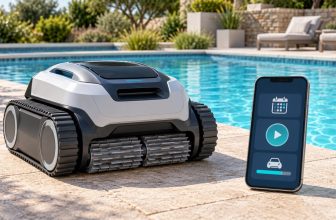
A cordless robotic pool cleaner replaces the operating cable with an onboard rechargeable battery. The cleaning mechanics can be similar, but runtime, charging and retrieval become finite parts of each cycle. See our corded vs. cordless guide for the tradeoffs.
What Is Happening Inside the Robot?
Although designs differ, a robotic cleaner generally has several systems working at once: propulsion moves the machine, brushes disturb attached material, a pump or impeller creates water flow, and a filter traps debris. Electronics coordinate the cleaning cycle and, on more sophisticated models, interpret sensor information to influence the route.
This separation of functions helps explain why two cleaners with similar-looking bodies can perform differently. Brush speed, intake design, filter media, traction and software can all change the result even when headline specifications appear similar.
Why Traction and Buoyancy Matter
Moving on a pool floor is relatively straightforward. Climbing a wall requires the robot to maintain contact while gravity works against it. Manufacturers use combinations of tracks or wheels, water flow, body geometry and control logic to maintain traction. Surface condition can affect that relationship, which is one reason surface compatibility should be checked before purchase.
At the waterline, the problem changes again. The robot must remain positioned near the top of the wall and, on capable designs, move laterally while scrubbing. A product that merely reaches the surface before falling away should not automatically be treated as a true waterline cleaner.
What Happens During a Cleaning Cycle?
After startup, the cleaner begins moving according to its programmed cycle. A basic machine may change direction based on timing or physical feedback. A more advanced system may estimate position, detect walls or obstacles, recognize portions of the pool and alter its path. Meanwhile, water continually passes through the robot’s filtration system and captured debris remains in the basket or cartridge.
At the end of the cycle, a corded robot stops while still connected to its power supply. A cordless machine may simply stop, park near an edge, rise toward the waterline or interact with a retrieval or docking system, depending on the model.
Why the Pool Filter Still Matters
The robot’s filter handles material the robot captures; it does not become the pool’s circulation system. The main pump and filter continue to move and filter pool water as designed, while sanitation and chemistry remain separate responsibilities.
EPA WaterSense recommends regular vacuuming and skimming as ways to reduce the load on the pool filtration system. That makes a robot complementary equipment: it can collect debris directly while the rest of the pool system continues doing its own job. See EPA’s home pool maintenance guidance.
What the Robot Needs From You
Automation does not mean zero maintenance. Filters must be emptied and rinsed, brushes and tracks should be inspected, and the cleaner should be stored and charged according to its manufacturer’s instructions. Allowing a packed filter to remain dirty can reduce useful capacity on the next cycle.
For cordless units, charging habits and battery storage become additional ownership tasks. For corded units, inspect and store the cable properly rather than treating it as a lifting handle. Good ownership practices protect the machine and make its automated cleaning more repeatable.
How a Robot Creates Cleaning Flow
Inside a robotic cleaner, an electric motor drives an impeller or pumping system that moves water through the machine. That flow helps draw loose debris through the intake and into the filter. The cleaned water is then discharged back into the pool. The exact layout differs by manufacturer, but the robot is effectively carrying a small mobile debris-filtration system around the pool.
This is why filter condition matters. As the filter fills, the machine still has to move water through the captured material. Owners should empty and rinse the filter according to the manufacturer’s directions rather than expecting the robot to perform indefinitely with a packed basket.
Why Brushes Matter Even When a Robot Has Strong Flow
Loose leaves can be vacuumed from a floor, but material attached to a pool surface may need mechanical agitation. Powered or active brushes rotate as the cleaner moves and can disturb dirt or buildup so the water flow can carry it into the filter. Brush material and geometry also interact with the pool surface and traction system.
This helps explain why suction or flow claims should not be considered alone. Cleaning is the combined result of agitation, intake, filtration, movement and coverage.
Does a Robotic Pool Cleaner Really “Map” the Pool?
The answer depends on the model and what the manufacturer means by mapping. Some robots use sensors and motion data to make route decisions without creating the kind of persistent map consumers might associate with an indoor robotic vacuum. Other systems add more sophisticated localization, cameras or stored pool information.
For shoppers, the terminology matters less than the outcome. A navigation system earns its value when it reduces missed areas, avoids wasting time, handles obstacles or enables meaningful targeted cleaning. Ask what the mapping feature changes during a real cleaning cycle.
Why Pool Robots Sometimes Get Stuck or Miss Areas
Pool geometry can create difficult situations: drains, tight corners, unusual slopes, steps, benches and transitions where traction changes suddenly. A cleaner can also lose effectiveness when filters are overloaded or brushes and tracks are worn. Not every missed area is a navigation-software problem.
If a robot repeatedly struggles in the same location, compare that location with the manufacturer’s intended application. Some machines are simply not designed to clean shallow ledges or complex stairs. Understanding those limits prevents unrealistic expectations.
Where the Robot Fits in the Whole Pool System
A robot is one layer of pool care. It removes physical material from surfaces and water passing through its onboard filter. The circulation system moves water through the pool’s primary filter. Sanitizer and water balance address conditions a debris cleaner cannot. Skimming, brushing and periodic equipment maintenance may still be needed depending on the pool.
CDC’s residential guidance emphasizes routine disinfectant and pH testing because clear-looking water is not the same thing as properly treated water. CDC explains home pool water treatment and testing. Understanding that division of labor makes it easier to appreciate what a robot does exceptionally well without expecting it to do jobs it was never designed to perform.
What Changes Mechanically Between Corded and Cordless?
The cleaning systems can be conceptually similar: motors move the robot, brushes disturb material and water passes through an onboard filter. The major difference is where operating energy comes from. A corded robot receives it continuously through its cable and power equipment. A cordless robot stores energy in an onboard battery and therefore has a finite operating window before recharging.
That difference influences design priorities. Cordless manufacturers must balance battery capacity, weight, runtime and charging. Corded manufacturers must manage cable length, tangling and power-supply placement. Neither architecture changes the basic need for good traction, filtration and navigation.
What Are the Sensors Looking For?
Depending on the cleaner, sensors can help identify orientation, movement, walls, obstacles or other conditions used by the control system. More sophisticated products may combine several information sources. The important point is that sensors do not clean the pool by themselves; they provide information that software can use to make movement more purposeful.
This is why sensor count is not a useful standalone comparison. The quality of the resulting behavior matters more. Does the cleaner cover the pool consistently? Does it recover from obstacles? Does it spend less time repeating the same path? Those are observable outcomes of the underlying system.
Why Independent Filtration Is Important
When a robot captures a leaf, that leaf remains in the robot until the owner empties it. This separates the cleaning event from the primary pool filter and gives the owner a direct view of what was removed. It also means the robot’s own filter condition becomes part of cleaning performance.
ENERGY STAR specifically describes robotic cleaners as collecting dirt and debris in built-in filters while using low-voltage electricity instead of the pool pump or a booster pump for power. That self-contained architecture is the defining mechanical difference behind many of the category’s benefits.
Frequently Asked Questions
Do robotic pool cleaners use the pool pump?
Robotic cleaners are self-contained and use onboard filtration rather than relying on the pool’s primary pump for debris collection.
How does a robotic pool cleaner know where to go?
It depends on the model. Systems range from programmed movement to sensor, mapping and vision-assisted navigation.
Where does the dirt go?
Debris is captured in the robot’s internal basket, cartridge or filter.
Can robotic cleaners climb walls?
Some models can. Check the stated cleaning zones for the specific machine.