
Corded vs. Cordless Robotic Pool Cleaners: Which Design Fits Your Pool?
Corded and cordless robotic pool cleaners perform the same broad job, but the way they receive power changes nearly every part of the ownership experience. The choice is less about which technology is newer and more about which set of tradeoffs fits your pool.
The Fundamental Difference Is Power
A corded robot receives power through a cable connected to a power supply outside the pool. A cordless robot carries a rechargeable battery onboard. That one design difference creates the major tradeoffs in runtime, setup, charging, retrieval and eventual battery replacement.
Where Corded Cleaners Make Sense
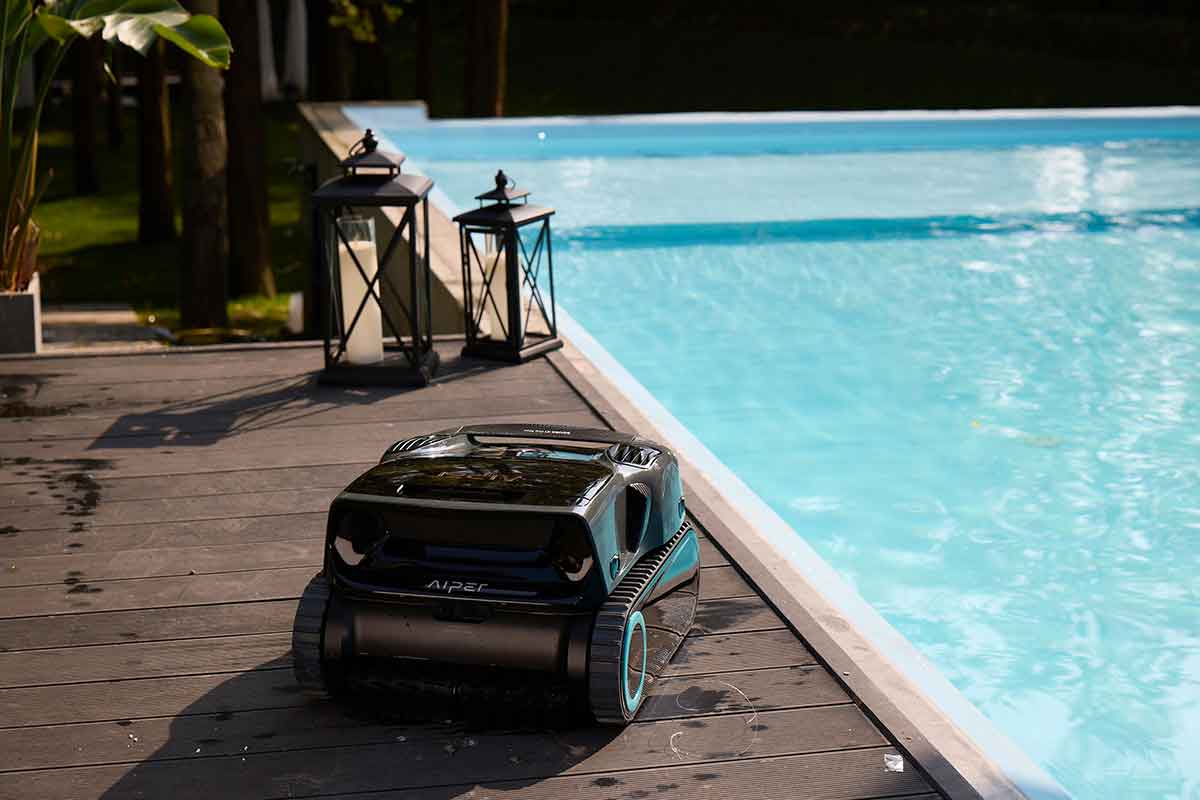
Continuous power is useful for owners who do not want cleaning time constrained by a battery. Larger pools and frequent cleaning can make this attractive. The compromise is cable management and finding an appropriate location for the power supply according to the manufacturer’s instructions.
Where Cordless Cleaners Make Sense
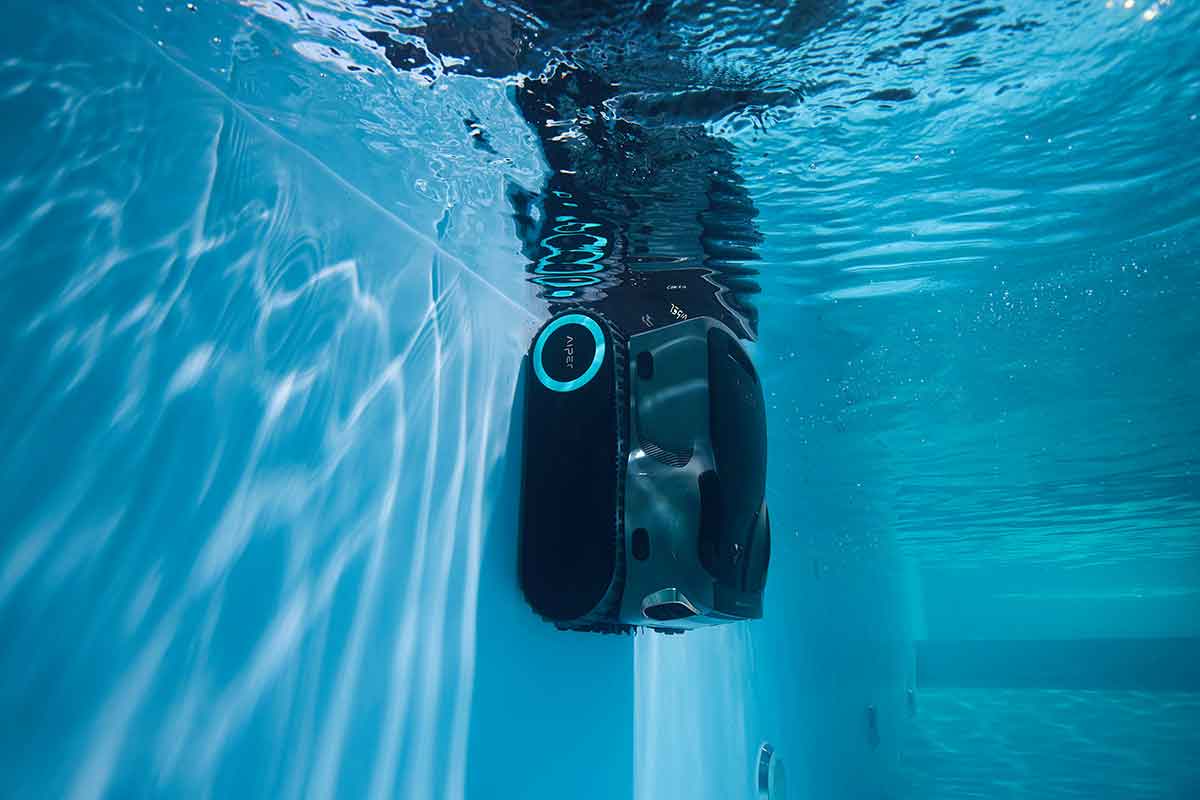
Cordless robotic pool cleaners offer a cleaner deck-side setup and eliminate the floating operating cable. Owners instead manage charging and must retrieve the machine after a finite battery-powered cycle.
Runtime, Charging and Pool Size
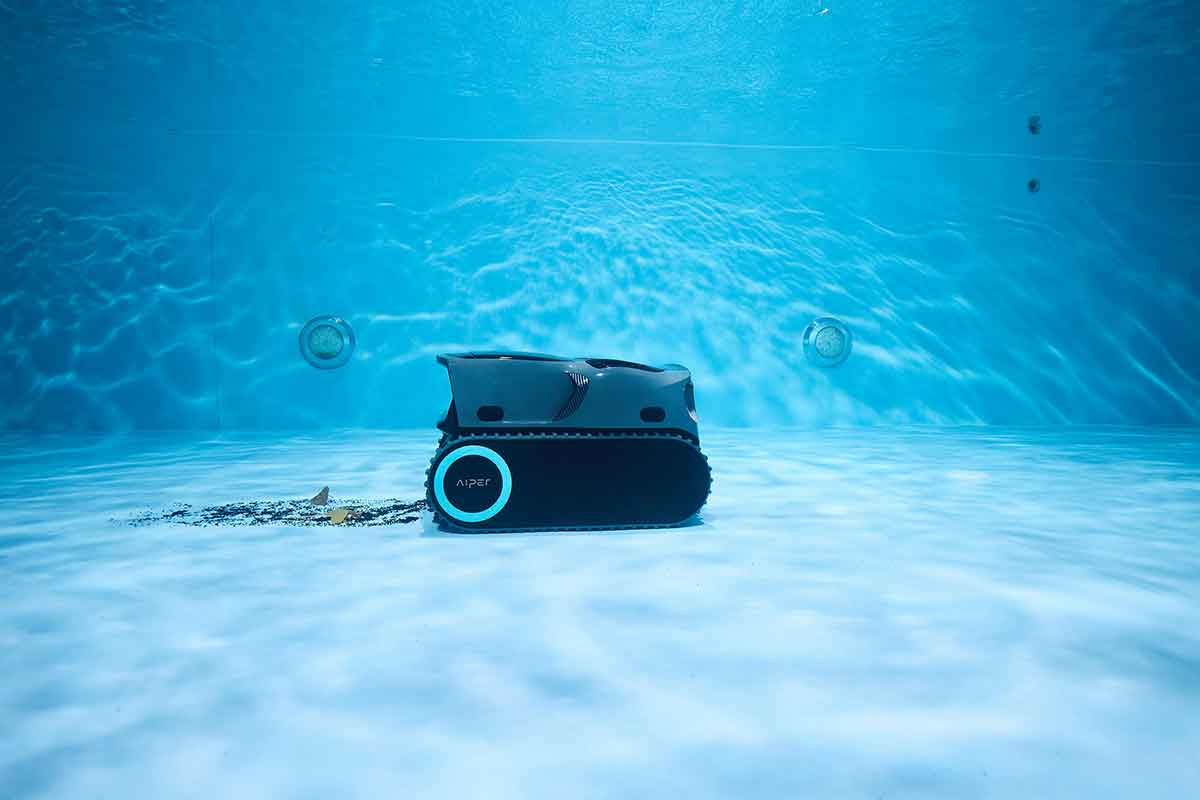
Do not compare battery minutes in isolation. Runtime has to be sufficient for the cleaner’s navigation system and the size and complexity of the pool. Recharge time matters if you expect to run multiple cycles close together.

Retrieval and Day-to-Day Convenience
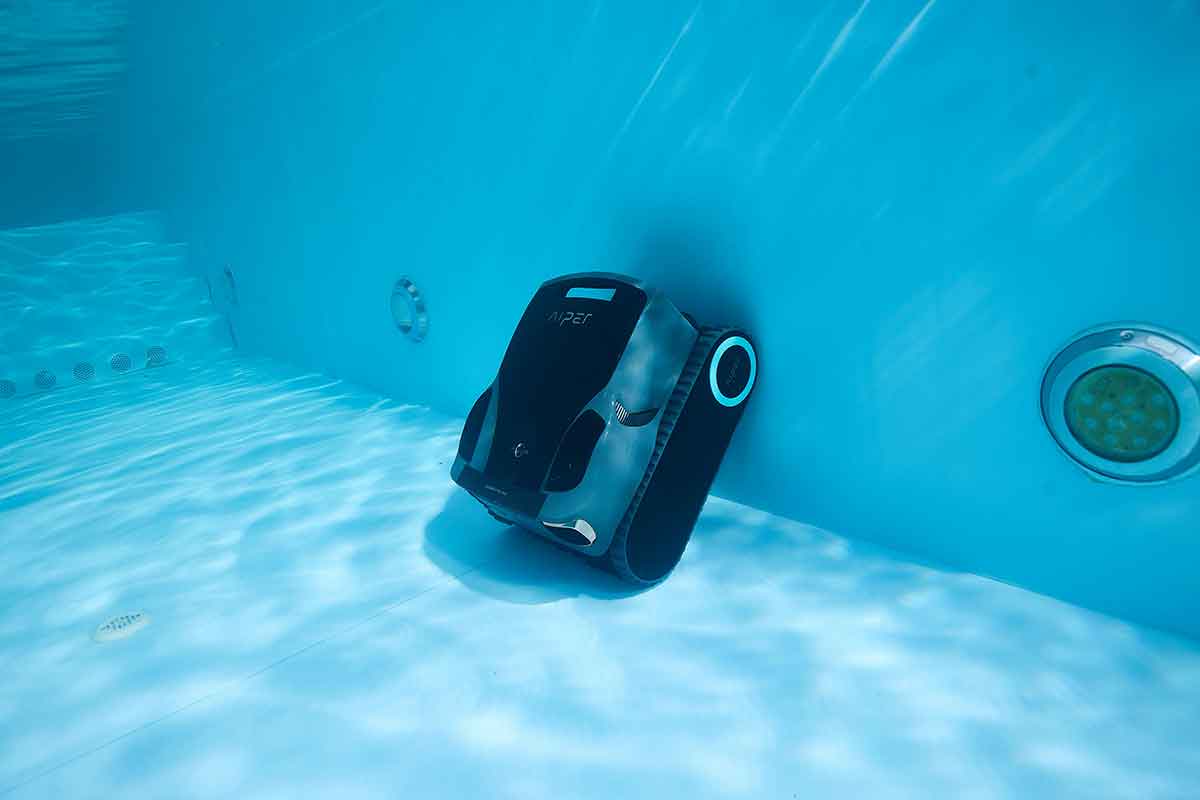
Cordless designs make retrieval features more important. Some cleaners park near a wall, rise to the waterline or work with a hook or dock. With a corded unit, the cable may help guide the robot toward the edge, but the machine should never be lifted from the water by its cable.
Corded vs. Cordless at a Glance
| Consideration | Corded | Cordless |
|---|---|---|
| Power | Continuous external supply | Rechargeable onboard battery |
| Operating cable | Yes | No |
| Recharge | No battery recharge | Required |
| Cycle duration | Not battery-limited | Battery-limited |
| Battery replacement | Not applicable | Long-term consideration |
| Retrieval | Cable management involved | Parking/retrieval system matters more |
How to Choose
- Confirm which cleaners fit your pool.
- Decide how much cable management bothers you.
- Determine how much runtime your pool requires.
- Consider where and when a cordless unit will charge.
- Evaluate retrieval.
- Compare filtration, navigation and cleaning zones.
- Then compare price and long-term ownership.
If you are still building the shortlist, return to the robotic pool cleaner buying guide.

The Reality of Living With a Cable
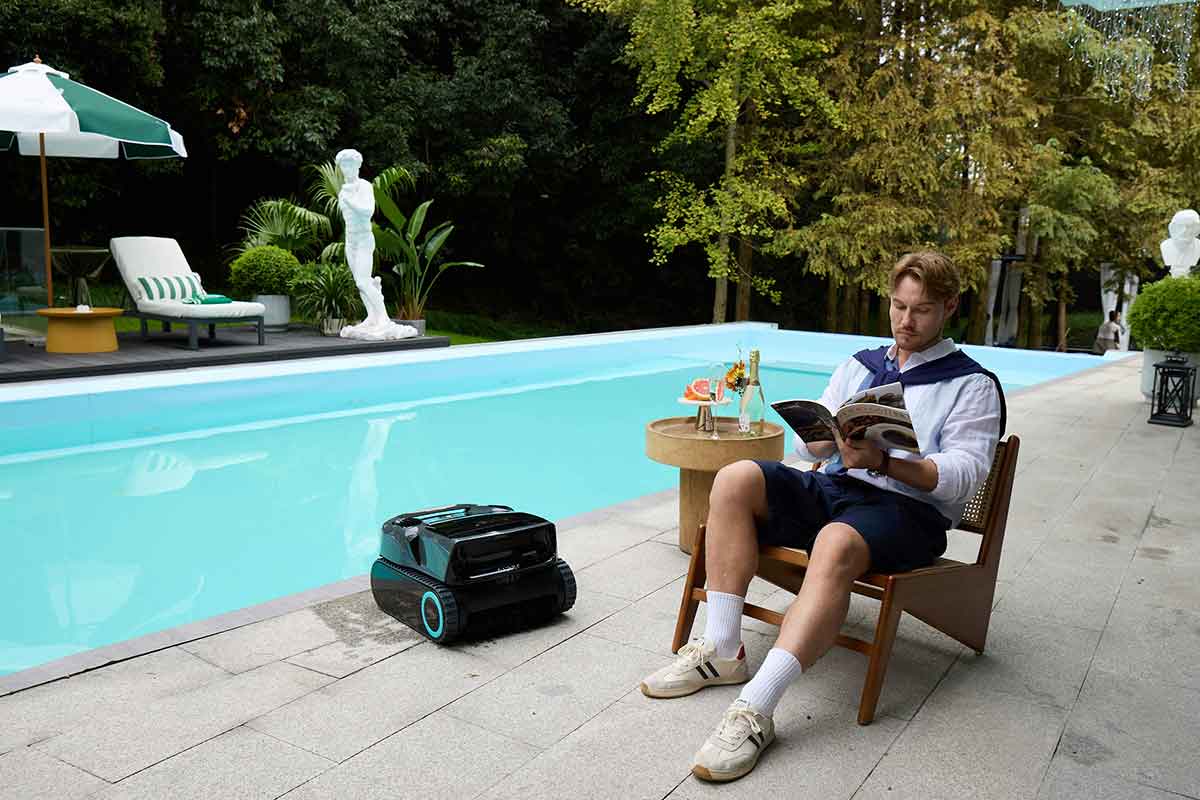
The cable is the defining inconvenience of a corded robot, but the degree of inconvenience varies. Pool size, power-supply location and storage setup all influence the experience. A properly managed floating cable may be a minor issue for one owner and the main reason another owner wants to switch technologies.
Cable length also has to match the application. Follow the manufacturer’s installation and operating requirements for the power supply and cable rather than improvising around the pool environment.
The Reality of Living With a Battery
Cordless operation removes the floating cable but creates a charging routine. The robot has to be removed, charged and made ready for the next cycle. If a cleaning cycle ends before the desired work is complete, you cannot simply keep operating indefinitely; the machine eventually needs energy returned to the battery.
Battery age is also a long-term ownership variable that corded machines do not share. Check warranty and service information before purchase, especially on expensive cordless models.
What Changes in a Large or Complicated Pool?
Large pools magnify runtime and navigation differences. A cordless cleaner needs sufficient usable battery time to cover the intended area. A corded cleaner needs sufficient cable length and a sensible power-supply location. Complex shapes add another layer because inefficient navigation can waste either battery time or cleaning time.
For pools with benches, steep transitions, deep ends or unusual geometry, cleaning-zone capability and navigation should remain ahead of the corded-versus-cordless decision. A convenient power system cannot make an incompatible robot suitable.
Which Is Better for Frequent Cleaning?
Owners who want repeated or long cycles may appreciate continuous corded power because there is no battery recharge between uses. Owners who prioritize quick setup may prefer grabbing a charged cordless machine and placing it in the pool without managing a cable.
The better workflow depends on frequency. Think through a normal week: where the robot lives, where a cordless unit charges, where a corded power supply sits, how the machine is retrieved and how often the filter is emptied.
Long-Term Ownership Differences
Both designs have wear components such as brushes and filters. Corded cleaners add a cable and external power equipment to care for; cordless cleaners add a rechargeable battery. Replacement-parts availability can therefore influence the long-term value of either design.
The newest architecture is not automatically the best ownership choice. Buy the design whose compromises you are more willing to live with after the novelty of the first few cleaning cycles is gone.
Power Setup Is Part of the Product Design
With any electric pool cleaner, follow the manufacturer’s placement, connection and operating instructions. Corded robotic systems are designed around an external power supply and a specific cable arrangement; those requirements should not be improvised simply to make a preferred parking spot work.
Cordless machines remove the operating cable from the water, but their charging equipment still has its own instructions and environmental requirements. “Cordless” describes the cleaning cycle, not an absence of electrical considerations altogether.
Does Corded or Cordless Clean Better?
Power architecture alone does not determine cleaning quality. Both categories contain basic floor cleaners and more capable machines. Brushes, filtration, navigation, traction and cleaning-zone design are what determine whether a robot performs the work your pool requires.
This is why shoppers should resist treating cordless as an upgrade tier. It is a design choice. A premium corded cleaner may outperform a basic cordless unit in a demanding pool, while a capable cordless machine may provide exactly the performance and convenience another owner wants.
Weight and Retrieval Can Change the Decision
Retrieval is easy to overlook while comparing specifications online. A self-contained cordless robot carries its battery, while corded robots vary widely in size and weight as well. Consider who will lift the cleaner, how often it will be removed and whether it parks somewhere accessible.
Never treat a power cable as a lifting handle. Follow the manufacturer’s retrieval instructions and use the designed handle or retrieval method.
Storage Looks Different Too
A corded robot needs space for the cleaner, cable and power equipment. Some owners use a caddy to keep the system organized. A cordless robot eliminates cable storage but needs a practical charging location. Either setup is easier to live with when storage is planned before purchase.
If the cleaner will be stored for an extended off-season, follow the manufacturer’s instructions for cleaning, drying, cable handling or battery state as applicable.
Three Quick Decision Scenarios
The correct answer becomes clearer when the question is framed around a real routine instead of which technology sounds more modern.
Power Type Should Be a Filter, Not the Whole Decision
It is tempting to begin shopping by deciding “I want cordless.” A better process is to establish the pool requirements first and then see which compatible cleaners are available in each power architecture. Otherwise you may exclude a machine that fits the pool exceptionally well simply because it uses a cable—or buy a cordless machine whose cleaning coverage is inadequate.
Power type is important because it changes ownership. It does not override pool size, surface compatibility, filtration, navigation or cleaning zones.
Run the Ownership Routine in Your Head
Picture the entire cleaning cycle before purchase. For a corded cleaner: retrieve the machine from storage, position the power equipment, manage the cable, run the cycle, remove the robot, clean the filter and store the system. For cordless: retrieve the charged machine, run it, locate and remove it, clean the filter, dry or prepare it as directed and recharge it.
One of those routines will often sound less annoying in your specific backyard. That is useful buying information because the cleaner that gets used regularly provides more value than the cleaner with the theoretically superior specification sheet.
Remember the Components That Age
Cables can wear and batteries lose capacity over time. Brushes, tracks and filters wear in both categories. Compare replacement availability while the product is still new rather than discovering years later that a critical component is difficult to source.
Long-term support is especially relevant at premium price points. A cleaner is durable pool equipment, not a disposable seasonal accessory, and the buying decision should reflect that expectation.
Frequently Asked Questions
Are cordless pool cleaners better than corded cleaners?
Neither design is universally better. Cordless removes the cable; corded removes battery-runtime and charging constraints.
Do corded robotic pool cleaners run longer?
Their operation is not constrained by an onboard battery, although cleaning-cycle durations are still controlled by the model.
How long do cordless pool cleaner batteries last?
Runtime and long-term battery service life vary by model and usage. Check the manufacturer’s specifications and replacement options.
Can I leave a corded robot in the pool?
Follow the specific manufacturer’s operating and storage instructions rather than assuming continuous in-water storage is recommended.