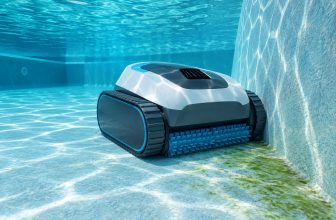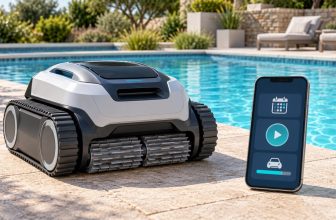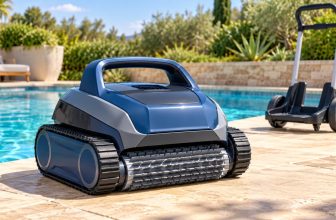
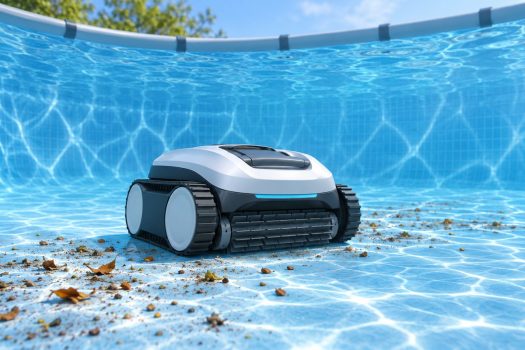
An inexpensive pool robot can be a very good purchase when you ask it to do the job it was designed for. Trouble starts when a flat-floor cleaner is expected to climb a steep hopper, scrub walls and polish a waterline. Under $500, choosing the right pool profile matters more than buying the longest feature list.
For a flat above-ground pool, investigate the Aiper Scuba SE and Dolphin E10. Include either only when its current price actually fits the ceiling. For slopes or walls, increase the budget or require explicit compatibility rather than hoping an entry-level robot will manage.
Research checked October 5, 2026. This is a specification-led buying guide, not a hands-on test ranking. Prices, stock and model generations can change.
Affiliate disclosure: We may earn a commission from qualifying purchases made through links on this site.
Compare the shortlist
Use these candidates to narrow the job and ownership routine. The notes below explain the tradeoffs; listing presence is not a guarantee of current Amazon availability.
| Candidate | Reason to investigate | What to confirm |
|---|---|---|
| Aiper Scuba SE | Flat-floor cordless cleaning | No wall or waterline promise |
| Dolphin E10 | Corded floor-cleaning shortlist | Check the generation and current price |
| Wall-capable sale model | A possible upgrade when discounted | Sale price must be verified; not a permanent under-$500 pick |
Start with the floor, not the pool label
Above-ground pools can have dished bottoms, wrinkles, slopes and drain features. Calling a cleaner 'for above-ground pools' does not establish that it will cope with all of them. Measure your pool and look at the floor profile. A flat-floor-only machine is a sensible tool for a genuinely flat pool; it is a risky choice when a slope is the main cleaning problem.
Aiper's Scuba SE documentation describes flat-bottom use. The E10 belongs on the corded floor-cleaning shortlist. Neither should be bought on the assumption that occasional contact with a wall makes it a complete wall-and-waterline cleaner. Budget for a brush if those surfaces are still your responsibility.
Two realistic ways to buy cheaply
The SE's appeal is straightforward cordless setup for a compatible floor. Its charging and retrieval routine should be considered alongside price. Where does it stop, how will you hook it out, and can you lift it comfortably after drainage? A light-looking robot can still feel awkward across a high above-ground wall.
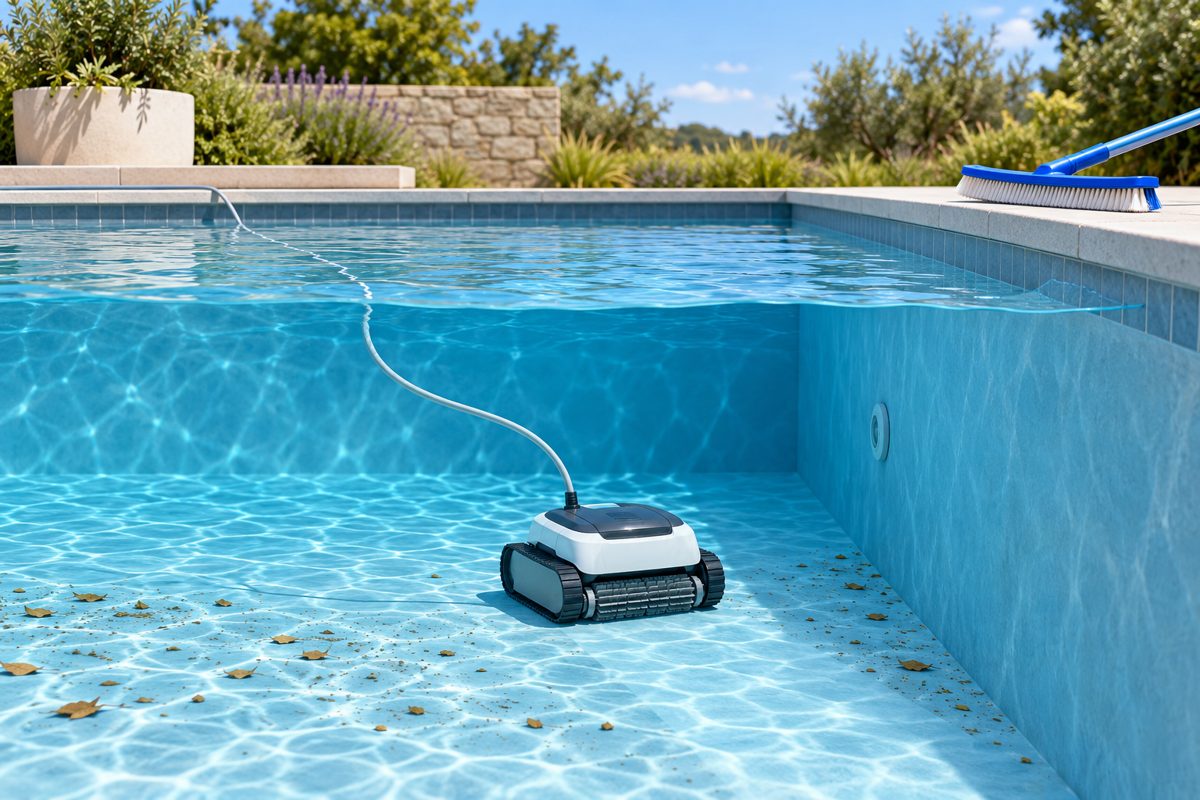
The E10 offers a different routine: a floating cable and an external power supply. Check whether you have a suitable outlet and a practical storage location. The site's catalog contains more than one E10 generation, so compare the manufacturer's model or part number rather than treating every year label as a proven upgrade.
The compromises worth accepting
You can reasonably accept fewer modes, no app, or manual wall brushing in exchange for a cleaner that handles your floor. You should be much less willing to accept an unclear seller, unavailable replacement filters or a return policy that makes a compatibility mistake expensive.
Fine dust is another important compromise. A basket suitable for ordinary leaves may let smaller particles pass. Before adding an optional fine filter, check that the accessory actually fits your specific cleaner. A marketplace title containing several model names is not a substitute for a compatibility list.
Keep the under-$500 claim honest
Prices change, so this is a conditional budget shortlist rather than a fabricated live-price ranking. Check each retailer's current offer and final total. If an E10 or a wall-capable sale model exceeds $500, it belongs in the next budget tier, even if it was cheaper last season.
Do not count a brush, replacement filter, handheld vacuum or caddy listing as a low-priced robotic cleaner. The catalog includes accessories as well as machines. Open the product details and confirm that you are purchasing a complete cleaner with the required charger or power supply. A low price on a spare part is not a cleaner deal.
For a 16-foot round, flat pool with light debris, a basic floor cleaner may remove most of your vacuuming work. For the same pool with a steep dish and heavy fine sediment, buying solely on price can leave the difficult area untouched. Spend for compatibility before spending for an app.
Choose your next step
Open the route that matches your situation. Then use the checklist before ordering.
I am choosing my first cleaner
Start with the buying guide to match cleaning zones, pool geometry and your maintenance routine. Use this article’s shortlist only after those requirements are clear.
I already own a cleaner but one chore remains
Identify the missed zone or debris type. Check compatible filters and the manual before replacing the entire cleaner. For a replacement decision, compare repair and replacement costs.
I have narrowed it to two models
Compare exact product numbers, included equipment and seller support. Browse current cleaner options and confirm the final offer before purchase.
This checklist is for your current reading session; selections are not saved or transmitted.
Common questions
Can a cheap robot clean an inground pool?
Some can clean compatible flat inground floors. That does not establish slope, wall or waterline coverage.
Is a cordless robot always easier for above-ground pools?
It removes the floating cable, but charging and reaching the stopped cleaner remain part of the routine.
Should I buy unknown brands to stay under $500?
Assess the manual, parts availability, seller and return policy. A missing support path can outweigh the initial saving.
Related guides and shopping paths
Maintain water chemistry alongside debris removal. CDC pool-care guidance
Sources and how to use this guide
Recommendations reflect documented suitability and ownership tradeoffs. Manufacturer claims are identified as specifications, not independently measured outcomes. Verify the exact model’s manual, package, price and seller terms before purchase.