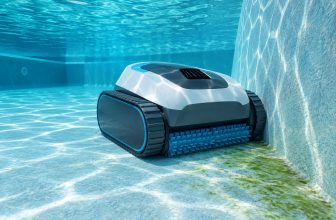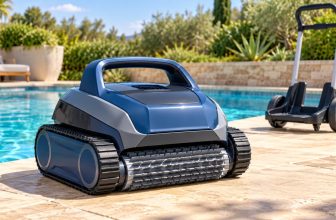
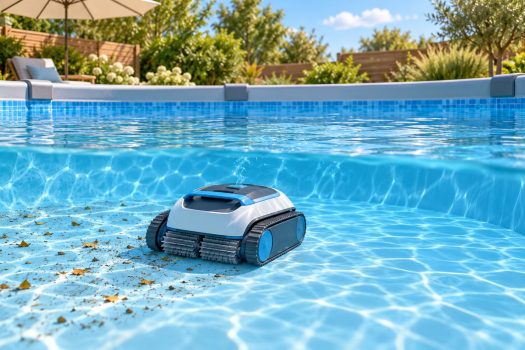
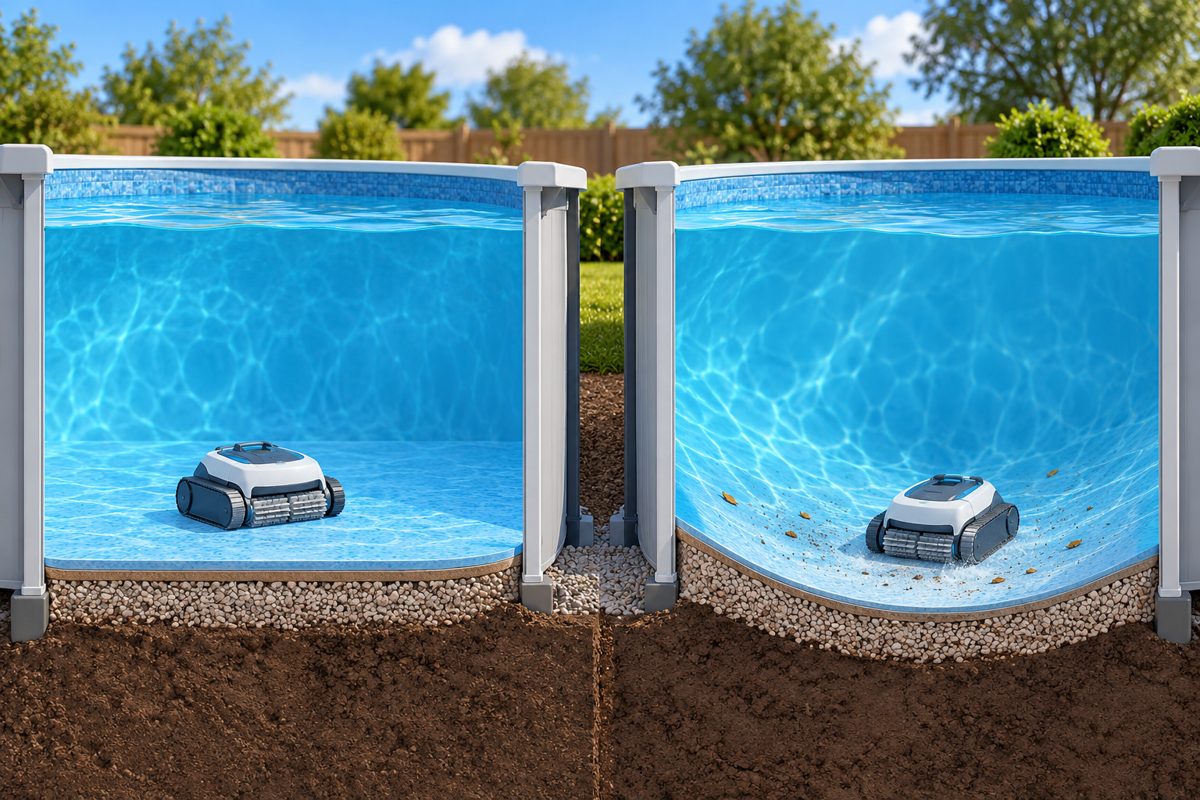
A round above-ground pool can look simple from the deck while presenting a difficult floor to a robot. A gentle dish, a liner fold or a ladder can matter more than the pool's diameter. Choose a cleaner for the shape beneath the water, then make sure you can retrieve it comfortably over the wall.
Investigate the Aiper Scuba SE for a genuinely flat floor and the Dolphin E10 for a corded floor-cleaning routine. Consider a wall-capable model only when its manual supports your pool. A cheap flat-floor robot is not automatically suitable for a sloped or dished bottom.
Research checked October 5, 2026. This is a specification-led buying guide, not a hands-on test ranking. Prices, stock and model generations can change.
Affiliate disclosure: We may earn a commission from qualifying purchases made through links on this site.
Compare the shortlist
Use these candidates to narrow the job and ownership routine. The notes below explain the tradeoffs; listing presence is not a guarantee of current Amazon availability.
| Candidate | Reason to investigate | What to confirm |
|---|---|---|
| Aiper Scuba SE | Flat-floor cordless option | Confirm slope and size limits |
| Dolphin E10 | Corded floor-cleaning option | Check exact generation and filter configuration |
| Dolphin Nautilus CC | Candidate when additional coverage is needed | Confirm dimensions and liner compatibility |
Measure the surface the robot will travel
For a round pool, diameter helps establish the longest span, while floor area matters when the manufacturer specifies a square-foot limit. A 24-foot circle has an approximate area of 452 square feet: pi multiplied by a 12-foot radius squared. That arithmetic does not establish slope compatibility.
Look for a dished center, wrinkles or transitions. Photograph the ladder and drain layout as well. Ask the manufacturer about those specific features if the manual is unclear. 'Above-ground' is a pool category, not a guarantee that every robot can cross every above-ground floor.
Cordless versus corded above the wall
A cordless robot avoids feeding a floating cable over the pool edge, but it may stop at a location that is inconvenient to reach. Check the retrieval hook and the pole needed to use it. A high wall, narrow deck or short reach can make this a significant practical issue.
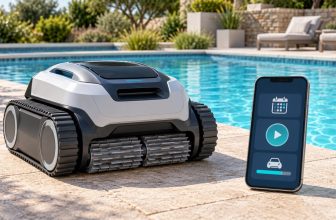
A corded E10 introduces a floating cable and external power supply, which need placement according to the manual. It can suit owners who prefer another cycle without charging. Do not pull a robot out by its cable unless the manufacturer's procedure explicitly permits a particular handling step; use the recommended handle and retrieval method.
Spend on coverage you will use
The SE belongs in the flat-floor conversation. The E10 belongs on a corded floor-cleaning shortlist. A Nautilus CC may be worth considering if its documented dimensions and coverage fit your pool, but it is not automatically the better purchase for a small flat pool simply because it can climb walls.
If fine dust is your main concern, confirm a suitable filter rather than spending solely for wall climbing. If algae-like residue remains on walls, keep manual brushing and the pool's water-care routine in mind. A robot is a cleaning tool, not an assurance that chemistry problems have been solved.
Test around the ladder and the floor dish
Start with a clean, inspected liner and the manufacturer's setup. Observe a full cycle. Note whether the cleaner repeatedly circles the same area, becomes trapped near the ladder or fails to exit the center dish. Check the basket before assuming the issue is navigation.
Record these observations during the return period and contact support with photos or a short description. Avoid improvised weights, removed safety features or unapproved brush changes. You want a model compatible with your pool as built, not one that only seems useful after modifications the manufacturer does not support.
A 24-foot flat round pool can be a suitable basic-cleaner candidate. A smaller pool with a pronounced dish can be the harder job. If your budget is tight, paying attention to slope compatibility can save more money than chasing a sale on a mismatched robot.
Choose your next step
Open the route that matches your situation. Then use the checklist before ordering.
I am choosing my first cleaner
Start with the buying guide to match cleaning zones, pool geometry and your maintenance routine. Use this article’s shortlist only after those requirements are clear.
I already own a cleaner but one chore remains
Identify the missed zone or debris type. Check compatible filters and the manual before replacing the entire cleaner. For a replacement decision, compare repair and replacement costs.
I have narrowed it to two models
Compare exact product numbers, included equipment and seller support. Browse current cleaner options and confirm the final offer before purchase.
This checklist is for your current reading session; selections are not saved or transmitted.
Common questions
Can a flat-floor cleaner handle a gentle slope?
Only within the manufacturer's stated allowance. Do not assume a slope is acceptable because it looks small from above.
Do above-ground pools need wall cleaning robots?
Not always. A suitable floor cleaner plus manual brushing may be enough for your routine.
Is the E10 the same every model year?
Compare the exact model number, included filter and manual. Retailer year labels alone do not establish what changed.
Related guides and shopping paths
Maintain water chemistry alongside debris removal. CDC pool-care guidance
Sources and how to use this guide
Recommendations reflect documented suitability and ownership tradeoffs. Manufacturer claims are identified as specifications, not independently measured outcomes. Verify the exact model’s manual, package, price and seller terms before purchase.