Best Cordless Robotic Pool Cleaners: What to Look For Before You Buy
Cordless robotic pool cleaners remove one of the most obvious inconveniences of traditional pool robots: the floating power cable. The trade is equally obvious—battery capacity, charging and retrieval now become central to the buying decision.
Why Buyers Choose Cordless Pool Robots
The appeal is simple. Charge the cleaner, place it in the water and let it run without an operating cable crossing the deck or floating through the pool. For many owners that makes setup feel easier and storage cleaner.
But cordless should be treated as a power architecture, not a guarantee of better cleaning.
Runtime vs. Pool Size
Advertised runtime matters only in relation to coverage. A long-running cleaner with inefficient navigation may not outperform a shorter-cycle machine that covers the pool methodically. Compare battery duration with maximum pool size, cleaning zones and cycle options.
Charging and Turnaround Time
Consider where the cleaner will charge, how long charging takes and whether one charge is enough for your normal cleaning routine. Owners who want back-to-back cycles may value charging speed more than someone who cleans every few days.
Parking, Retrieval and Weight
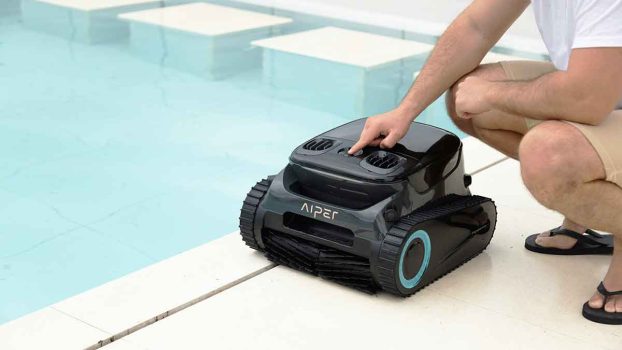
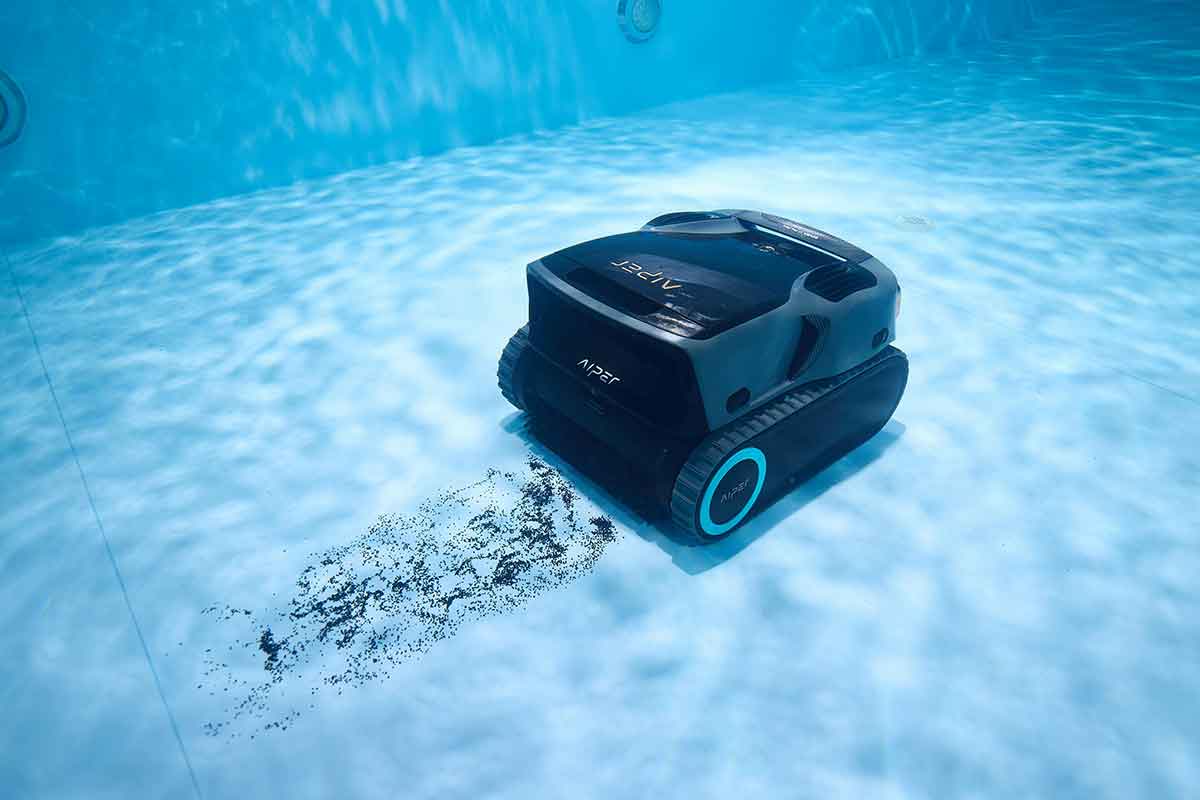
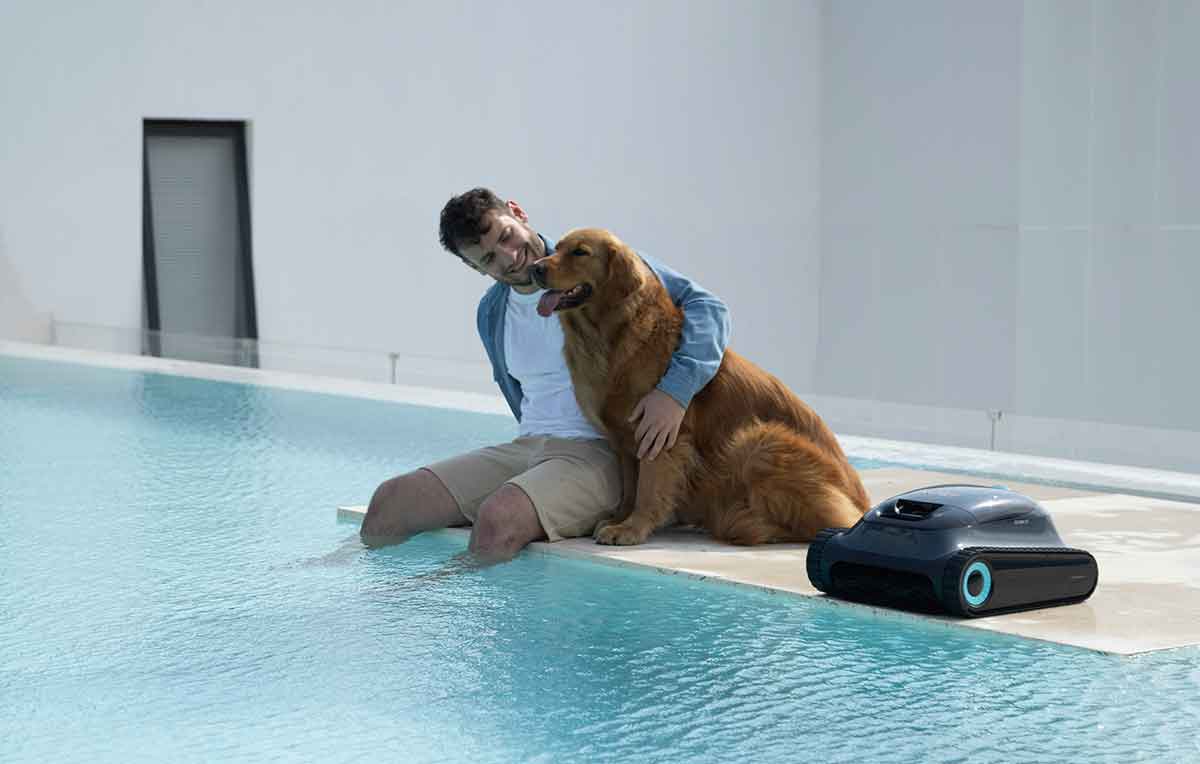
Once a cordless robot finishes, you have to get it out. Waterline parking, edge parking, retrieval hooks and docking systems can materially change the experience. Also consider the machine’s dry weight and how much water it retains while being lifted.
Cleaning Coverage Still Comes First
A convenient battery does not compensate for a robot that cannot climb your walls or handle your pool size. Confirm floor, wall and waterline capabilities before comparing battery features.
Browse the live cordless robotic pool cleaner catalog to compare current machines.
Cordless vs. Corded
| Question | Cordless | Corded |
|---|---|---|
| Operating cable? | No | Yes |
| Battery recharge? | Yes | No |
| Runtime constraint? | Battery-dependent | Not battery-dependent |
| Retrieval | Parking/hook/dock varies | Cable can help guide unit toward edge; do not lift by cable |
Read the complete corded vs. cordless comparison if power architecture is your main decision.
How to Build a Cordless Shortlist
- Confirm pool type and maximum size.
- Choose required cleaning zones.
- Match filtration to your debris.
- Check runtime against the pool.
- Compare recharge time.
- Evaluate retrieval and weight.
- Then compare apps, mapping and price.
Battery Capacity Is Only Half the Runtime Story
Battery specifications are easy to compare because they produce simple numbers. Cleaning effectiveness is harder. A robot with a longer advertised cycle can still cover less useful area if it repeats paths or struggles with transitions. A shorter-running cleaner can be perfectly adequate in a smaller pool if its route and cleaning zones match the job.
For that reason, pair runtime with maximum pool size, navigation method and available cycle modes. The useful question is not “Which battery lasts longest?” but “Can this machine complete the cleaning I expect on one charge?”
Think Beyond the New Battery
Rechargeable batteries are wear components. Before spending heavily on a cordless cleaner, investigate whether the manufacturer provides battery-service information, what the warranty covers and whether replacement options are available. A sealed design may be convenient in normal use but can change the economics when the battery eventually loses capacity.
Storage conditions matter too. Follow the manufacturer’s charging and off-season storage instructions rather than applying generic battery advice to every model.
Docking, Parking and Retrieval Are Becoming Real Features
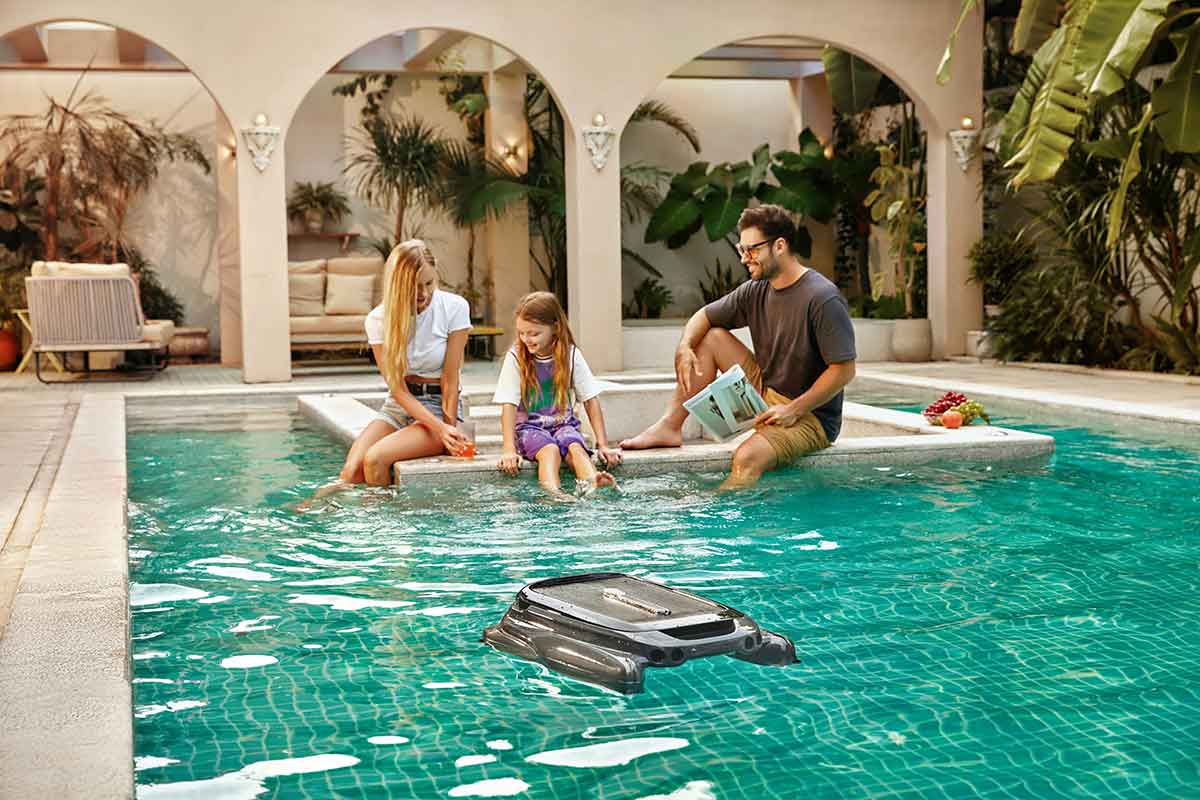
Removing the cable solved one inconvenience but created another: the robot still has to come back out of the water. Manufacturers address that with edge parking, waterline parking, hooks, floating retrieval systems and, on some products, more elaborate docking concepts.
Evaluate those systems as practical features rather than demonstrations. Ask whether the robot reliably finishes somewhere you can reach, whether you must use a pole or hook, and how heavy it feels while draining. For many owners, this affects satisfaction more than another app screen.
Cordless Does Not Mean Universal
There are cordless cleaners for both above-ground pools and inground pools, but the category spans everything from simple floor cleaners to premium wall and waterline machines. Never use “cordless” as the compatibility test.
Check maximum pool dimensions, surface recommendations, wall capability, waterline capability and whether the cleaner can negotiate the transitions in your pool. The battery only tells you how the machine receives power.
A Better Way to Compare Three Cordless Robots
Suppose three models advertise 120, 150 and 180 minutes of runtime. Instead of immediately choosing 180, first remove any model that does not support your pool size or required cleaning zones. Next compare filtration for your typical debris and navigation for your pool shape. Then compare retrieval and recharge time. Runtime becomes a deciding factor only among machines that already satisfy those requirements.
That approach prevents one easily marketed specification from dominating a much more complicated cleaning decision.
Filtration Matters Just as Much on a Cordless Robot
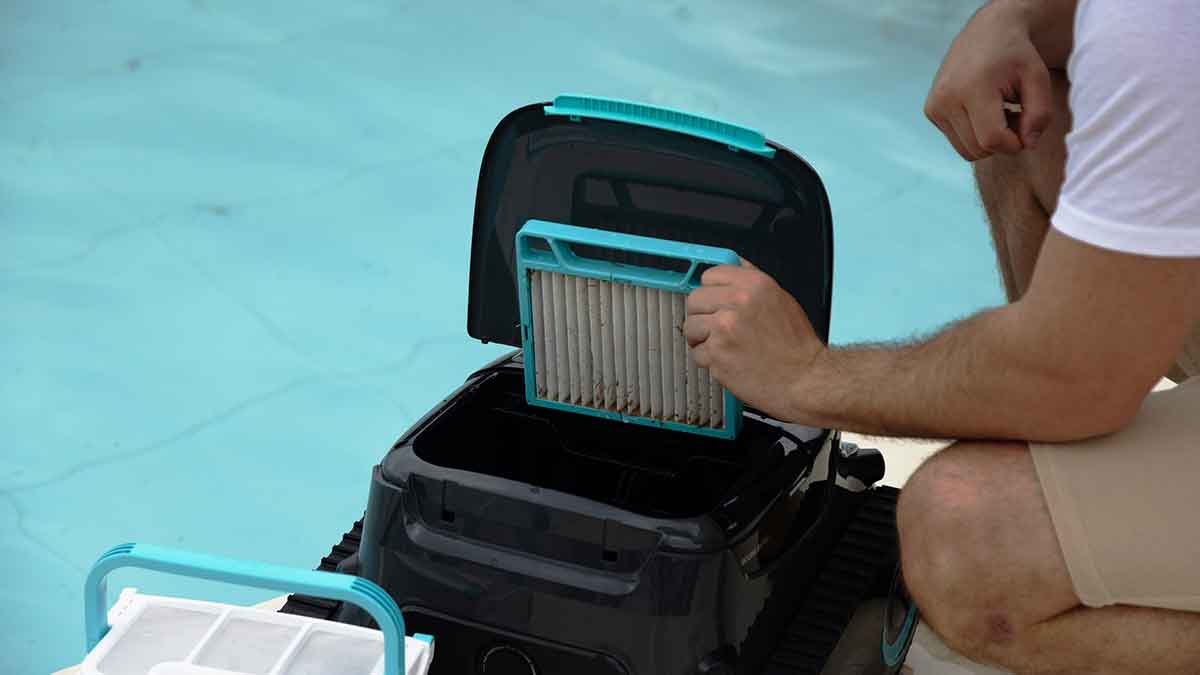
Battery technology tends to dominate cordless marketing, but the robot still has to clean. Examine basket capacity, filter access and the type of particles the filter is intended to capture. A long-running cordless machine with an undersized basket can become frustrating in a leaf-heavy pool.
Top-access filters can simplify routine cleaning because the robot does not have to be turned over to reach the debris compartment. Fine or ultra-fine media can be useful for smaller particles, while generous open capacity can matter more for leaves. Match the filtration system to the backyard.
Pay Attention to Weight Before You Have to Lift It
Cordless cleaners are self-contained, including their battery. Product weight therefore deserves attention, particularly for owners who expect to remove the cleaner after every cycle. Remember that the first moments of retrieval can involve additional water draining from the machine.
A well-positioned handle, reliable edge parking or a useful retrieval hook can make a heavier cleaner easier to live with. This is an example of a convenience feature that directly affects every cleaning cycle rather than existing only inside an app.
Apps and Connectivity Have a Cordless Catch
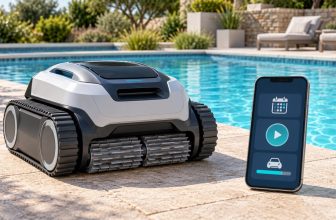
Wireless controls can provide cycle selection, status information, firmware updates and other useful functions. But radio communication through water has practical limitations, and features available while the robot is submerged vary by design. Read the manufacturer’s description carefully so you know which controls work before, during and after a cycle.
Do not assume that an app means full underwater remote control. Treat connectivity as a set of specific functions and decide whether those functions matter to you.
Charging and Storage Should Fit the Equipment
A cordless robot needs a repeatable place to dry, charge and wait for the next cleaning cycle. Consider the manufacturer’s environmental and charging instructions when choosing that location. The easiest ownership routine is one that does not require rearranging the garage or running an improvised charging setup every time the pool needs cleaning.
Off-season storage is another reason to keep the manual. Battery-powered equipment can have model-specific storage and charging recommendations, and following them is preferable to relying on generic advice.
When a Premium Cordless Cleaner Makes Sense
Premium cordless models can justify their cost when their additional capabilities address a demanding pool: longer usable coverage for a large pool, reliable wall and waterline cleaning, more effective navigation, better debris handling or a retrieval system that materially improves ownership.
If the pool is small and flat, the same premium may purchase capabilities that rarely get used. Start with the cleaning problem, then decide how much cordless convenience is worth paying for.
Navigation Is Also Battery Management
Every unnecessary pass consumes part of a cordless cleaner’s finite energy budget. Efficient navigation therefore has a second benefit beyond neat-looking cleaning patterns: it can help the machine spend more of its available runtime covering useful area. This becomes increasingly important as pool size approaches the cleaner’s intended limit.
That does not mean every sophisticated navigation label guarantees better efficiency. Compare demonstrated behavior, cleaning coverage and the manufacturer’s pool-size guidance rather than buying an acronym.
Heavy Debris Changes the Cordless Equation
A pool full of leaves can fill a filter before the battery is empty. In that situation, another 30 minutes of advertised runtime may matter less than basket capacity and how quickly the cleaner can be emptied and returned to service. Fine dust creates the opposite priority: filtration quality may matter more than raw capacity.
Match battery and filtration as a system. The robot needs enough energy to complete the useful work and enough debris capacity to avoid becoming the limiting factor first.
The Final Cordless Buying Check
Before buying, verify pool compatibility, cleaning zones, usable runtime, charging time, filter design, weight, retrieval method and battery-support information. Then evaluate apps and premium convenience features. If two machines remain close, choose based on the ownership routine you are more likely to use consistently.
And if removing the cable is not actually important to you, keep corded machines in the comparison. The goal is the best cleaner for the pool, not the newest power architecture.
Frequently Asked Questions
What is the best cordless robotic pool cleaner?
The best match depends on pool size, required cleaning zones, debris, runtime needs and budget. Use those filters before comparing convenience features.
How long should a cordless pool robot run?
There is no universal runtime requirement. It needs enough effective coverage for the pool and selected cleaning cycle.
How do you retrieve a cordless pool cleaner?
Methods vary by model and may include edge parking, waterline parking, retrieval hooks or docking systems.
Are cordless pool robots better than corded?
They remove cable management but introduce batteries and charging. See our full comparison.