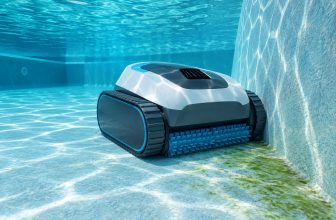

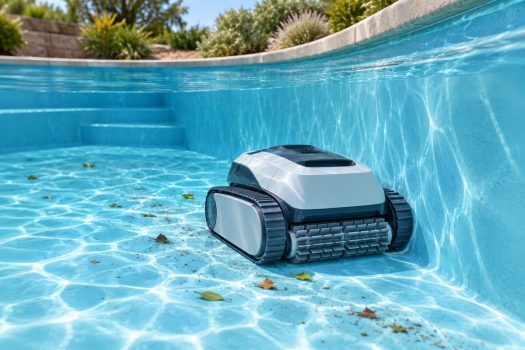
Fiberglass pools often combine smooth walls with curved floor transitions, molded steps and integral benches. A cleaner can be compatible with fiberglass while still struggling with one of those shapes. Choose for both the material and the geometry instead of assuming a smooth shell is an easy pool to clean.
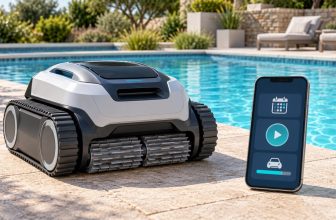
Start with explicit fiberglass compatibility, then confirm the correct brush configuration and shallow-area limits. An appropriate Scuba S1 or Polaris robotic model can be investigated alongside a manufacturer-confirmed Dolphin. The difficult bench or step should be discussed before purchase, not discovered after the return window.
Research checked October 5, 2026. This is a specification-led buying guide, not a hands-on test ranking. Prices, stock and model generations can change.
Affiliate disclosure: We may earn a commission from qualifying purchases made through links on this site.
Compare the shortlist
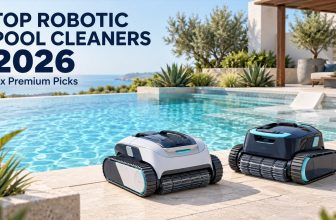
Use these candidates to narrow the job and ownership routine. The notes below explain the tradeoffs; listing presence is not a guarantee of current Amazon availability.
| Candidate | Reason to investigate | What to confirm |
|---|---|---|
| Aiper Scuba S1 | Cordless fiberglass candidate | Generation and shallow-depth limits matter |
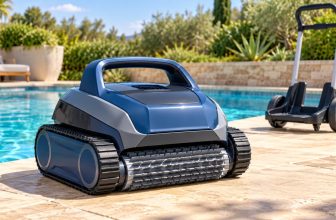
| Polaris VRX iQ+ | Corded candidate | Verify brushes and curved-wall setup |
| Dolphin waterline-rated model | Candidate for tile-band work | Confirm fiberglass and exact brush configuration |
| Beatbot AquaSense 2 Ultra | Complex-layout candidate | Minimum-depth and platform limits still apply |
Compatibility is the first filter
Check the exact manual for fiberglass use and any required brushes. A softer-looking roller is not a substitute for the prescribed configuration. If the surface is unusually slick, coated or recently repaired, ask the shell supplier and cleaner manufacturer about the specific situation.
Inspect the shell and record existing scratches or marks before use. Keep track of the robot's contact surfaces as part of routine maintenance. A cleaner can collect abrasive grit, so the filter and accessible brush area should be maintained according to the manual rather than left dirty between runs.
Curves can change wall climbing
A gentle curve from floor to wall differs from a sharp transition or an integral bench. The robot needs to establish traction and orient itself as it travels. A claim of wall cleaning does not tell you how reliably it will negotiate every molded feature in your pool.
Photograph the deepest curve, bench edge and step arrangement. Include measurements when you contact support. Ask whether the cleaner should cross that feature, work around it or leave it for manual brushing. Getting that expectation clear is more useful than asking for a generic assurance that it cleans fiberglass.
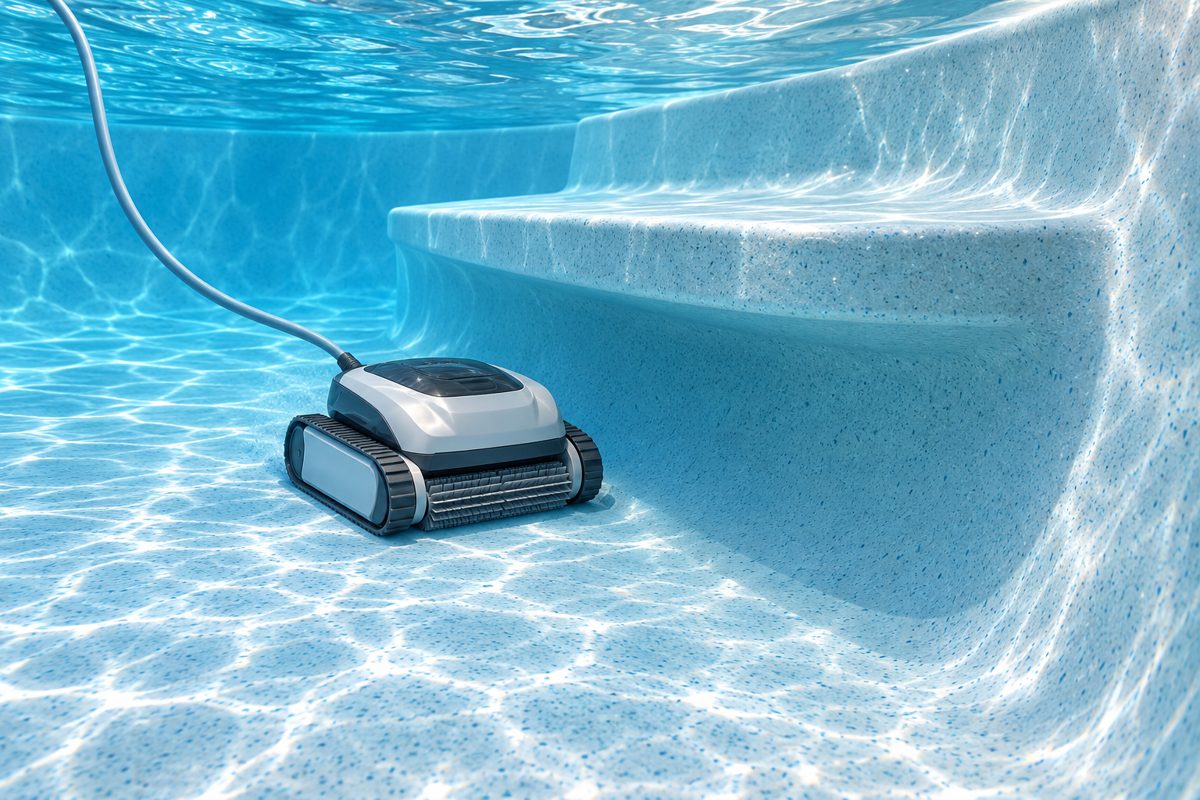
Treat steps and benches as separate zones
Measure the water depth over the bench or shelf and its usable width. A robot may clean below a bench without being able to operate on top of it. More sensors do not eliminate a physical minimum-depth requirement or create enough space to turn.
The AquaSense 2 Ultra's platform claims come with conditions. Its manufacturer describes step cleaning only where steps are sufficiently wide and the water depth exceeds 1.31 feet. That is not a promise to clean a shallow tanning shelf. The same discipline applies when investigating newer S1 shallow-area claims: match them to the exact generation and depth.
Build a realistic evaluation plan
Judge floor pickup, wall traction, waterline reach and shallow-area coverage separately. Check whether a repeated missed patch is an access problem or a filter problem. If the robot never reaches the patch, replacing the filter will not resolve it.
During the return period, repeat a supported cycle after cleaning the basket and following setup guidance. Keep a short log of modes and missed areas. Ask support before trying alternative brushes or settings not specified for the model. A suitable cleaner should reduce your workload without depending on unsupported adjustments.
A simple rectangular fiberglass shell can suit many compatible robots. A similar-sized shell with a broad bench and shallow shelf may need manual touch-ups even with an expensive cleaner. Decide whether those remaining chores are acceptable before paying for premium navigation.
Choose your next step
Open the route that matches your situation. Then use the checklist before ordering.
I am choosing my first cleaner
Start with the buying guide to match cleaning zones, pool geometry and your maintenance routine. Use this article’s shortlist only after those requirements are clear.
I already own a cleaner but one chore remains
Identify the missed zone or debris type. Check compatible filters and the manual before replacing the entire cleaner. For a replacement decision, compare repair and replacement costs.
I have narrowed it to two models
Compare exact product numbers, included equipment and seller support. Browse current cleaner options and confirm the final offer before purchase.
This checklist is for your current reading session; selections are not saved or transmitted.
Common questions
Does fiberglass require a special robot?
It requires a compatible model and prescribed brush setup. Pool geometry can be just as important as the surface.
Why does a robot slip on the wall?
Potential causes include setup, brush condition, surface condition and compatibility. Follow the exact troubleshooting procedure rather than assuming more suction is the fix.
Will a premium robot clean every molded step?
No universal promise applies. Width, depth and turning space still limit operation.
Related guides and shopping paths
Maintain water chemistry alongside debris removal. CDC pool-care guidance
Sources and how to use this guide
Recommendations reflect documented suitability and ownership tradeoffs. Manufacturer claims are identified as specifications, not independently measured outcomes. Verify the exact model’s manual, package, price and seller terms before purchase.